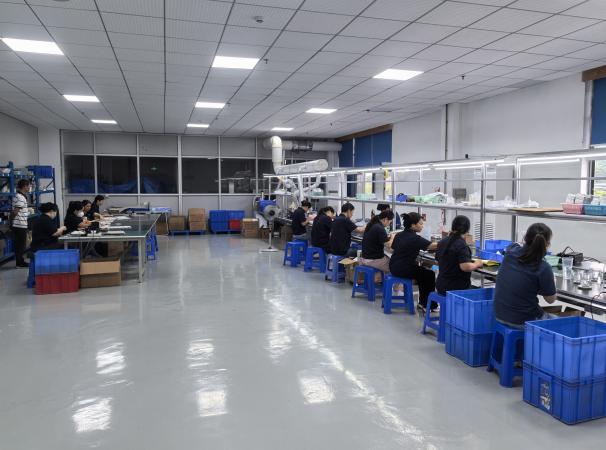
If you are developing a physical product — whether it is consumer electronics, home goods, beauty tools, or hardware — chances are you will end up looking at China. And for good reason: China still produces roughly 30% of the world's manufactured output by value, and its manufacturing ecosystem is unmatched in depth, speed, and scalability.
But here is the reality that every seasoned product manager knows: the difference between a successful launch and a costly disaster often comes down to one decision — which factory you partner with.
In 2026, choosing a manufacturing partner in China is not just about finding the lowest price per unit. With ongoing tariff uncertainties, rising expectations around ESG compliance, and a manufacturing landscape rapidly evolving toward automation, your supplier selection process needs to be more rigorous than ever.
This guide walks you through a proven framework for evaluating, vetting, and selecting the right Chinese manufacturing partner.
Video: Factory Tour & Capabilities Overview
Before diving into the guide, here is a quick look at what a modern manufacturing facility in Shenzhen looks like:
Replace the YouTube video ID above with your actual factory tour video
Why This Guide Matters More Than Ever in 2026
| Trend | Impact on Your Sourcing Decision |
|---|---|
| Tariff volatility | Landed costs can swing 15-25% based on policy changes |
| China + 1 strategies | Smart buyers are building dual supply chains |
| Smart factory adoption | AI-driven quality inspection becoming standard |
| ESG & traceability | Buyers require transparency on labor and carbon |
| Rising labor costs | Offset by automation; need tech-investing partners |
According to McKinsey's 2025 Supply Chain Risk Survey, tariffs have become the #1 concern for supply chain leaders. But the data also shows that fully leaving China is rarely cost-effective. The winning strategy? Partnering with the right Chinese manufacturers who can adapt.
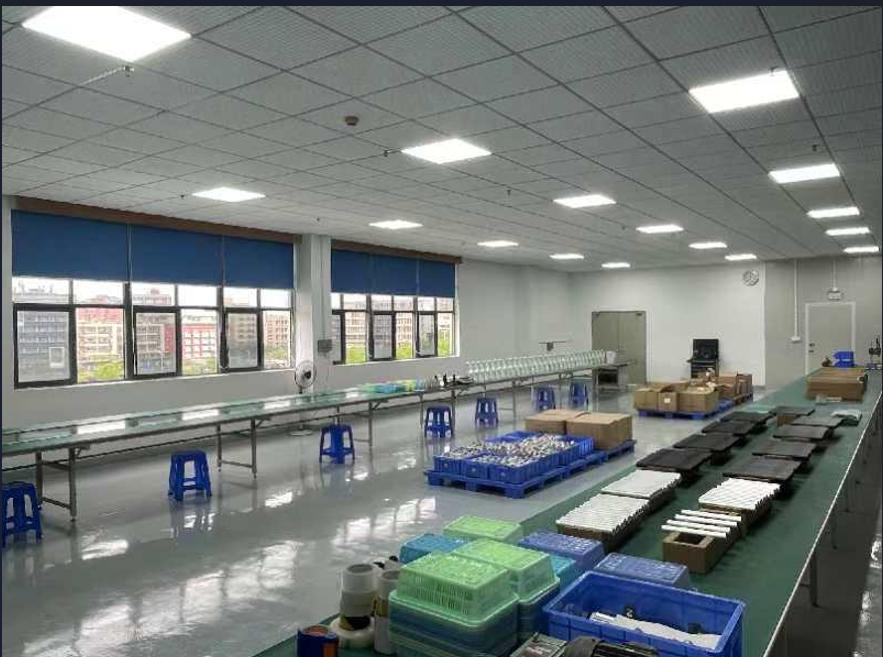
Automated production line at our Guangming facility
Phase 1: Define What You Actually Need
Before you start searching, be crystal clear about your requirements. Most sourcing failures start here.
1.1 Determine Your Engagement Model
| Model | Best For | Your Role |
|---|---|---|
| OEM | You have complete designs ready | You provide everything; they manufacture |
| ODM | You have a concept but need design + engineering | They design and build to your brand |
| Contract Mfg | You manage supply chain; they assemble | Highly hands-on |
| Joint Development | Complex products requiring co-innovation | Deep collaboration from day one |
Pro tip: If you are bringing a new product to market without in-house engineering, an ODM partner with R&D capability and existing IP/patents can dramatically accelerate your timeline. Look for manufacturers who hold their own patents — it signals genuine technical competence.
1.2 Know Your Volume & Timeline
- MOQ: Many factories now accept 50-100 units for initial runs
- Lead time: 4-8 weeks for established products; 10-16 weeks for new tooling
- Scaling: Can they go from 500 units/month to 50,000? Ask specifically
1.3 Budget Beyond Per-Unit Cost
- Tooling/mold investment (amortized over volume)
- Quality inspection costs (in-line, pre-shipment)
- Shipping & logistics (FOB vs. EXW vs. DDP)
- Tariff exposure (HS code classification matters enormously)
- Cost of failure (returns, brand damage, rework)
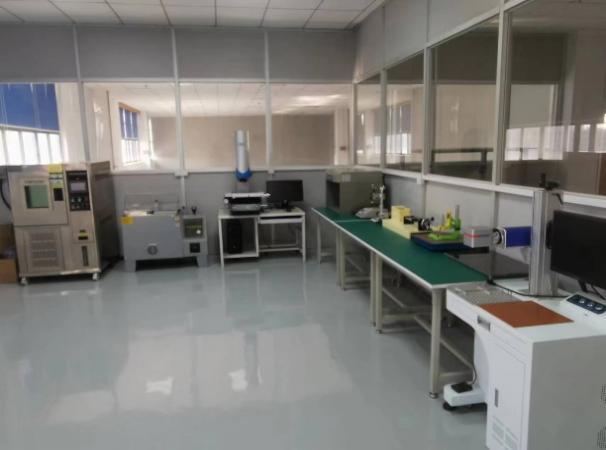
Our testing room — rigorous QC before every shipment
Phase 2: Find Candidates — Where to Look
2.1 Online Platforms
| Platform | Strength | Watch Out For |
|---|---|---|
| Alibaba / Global Sources | Massive supplier database | Trading companies posing as factories |
| Made-in-China.com | Good for industrial/electronic | Quality varies widely |
2.2 Trade Shows (Gold Standard)
- Canton Fair (Guangzhou) — twice yearly, enormous scale
- CES (Las Vegas) — consumer electronics focus
- Hong Kong Electronics Fair — strong for tech/hardware
2.3 Referrals & Industry Networks
The best manufacturers often do not advertise aggressively. They come through peer recommendations, LinkedIn outreach, and consulting firms with vetted factory networks.
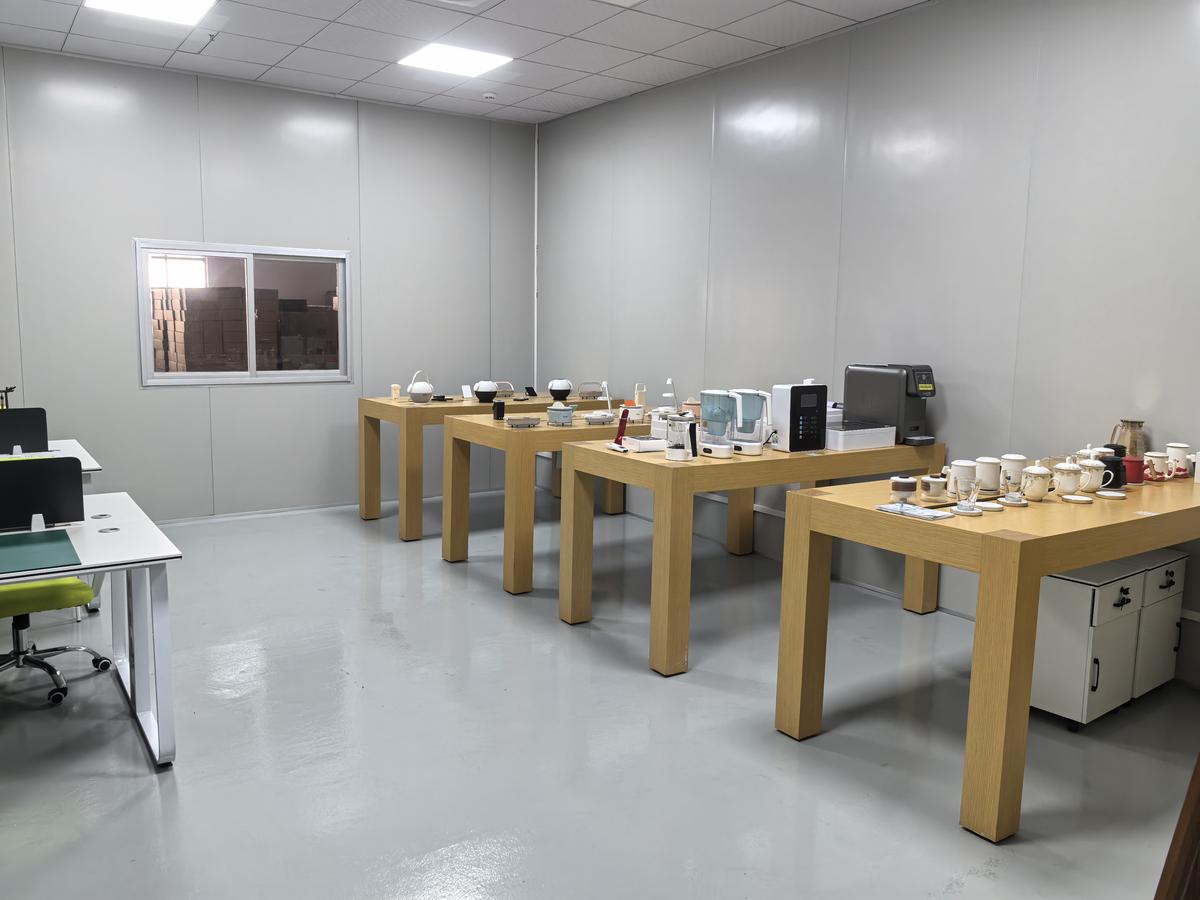
Our showroom — where clients review product samples
Phase 3: The Vetting Framework — 7 Critical Dimensions
Dimension 1: Business Legitimacy
- Business license (营业执照): Cross-check name, capital, address
- Export license & qualifications: ISO 9001, ISO 14001, FCC, CE, UL, FDA
- Years in operation: 5-10+ years shows stability
Red flags: Name/address mismatches, recent rebranding, no export history.
Dimension 2: Production Capability
- Factory floor photos/videos (not just showroom)
- Machine list with ages and capacities
- Current utilization rate
- On-site audit: SGS, Bureau Veritas, or Intertek
Dimension 3: Quality Management System
- Documented QC at each stage (IQC → IPQC → FQC → OQC)
- Defect rate data (actual numbers)
- CAPA system documentation
- Calibration records for measurement equipment
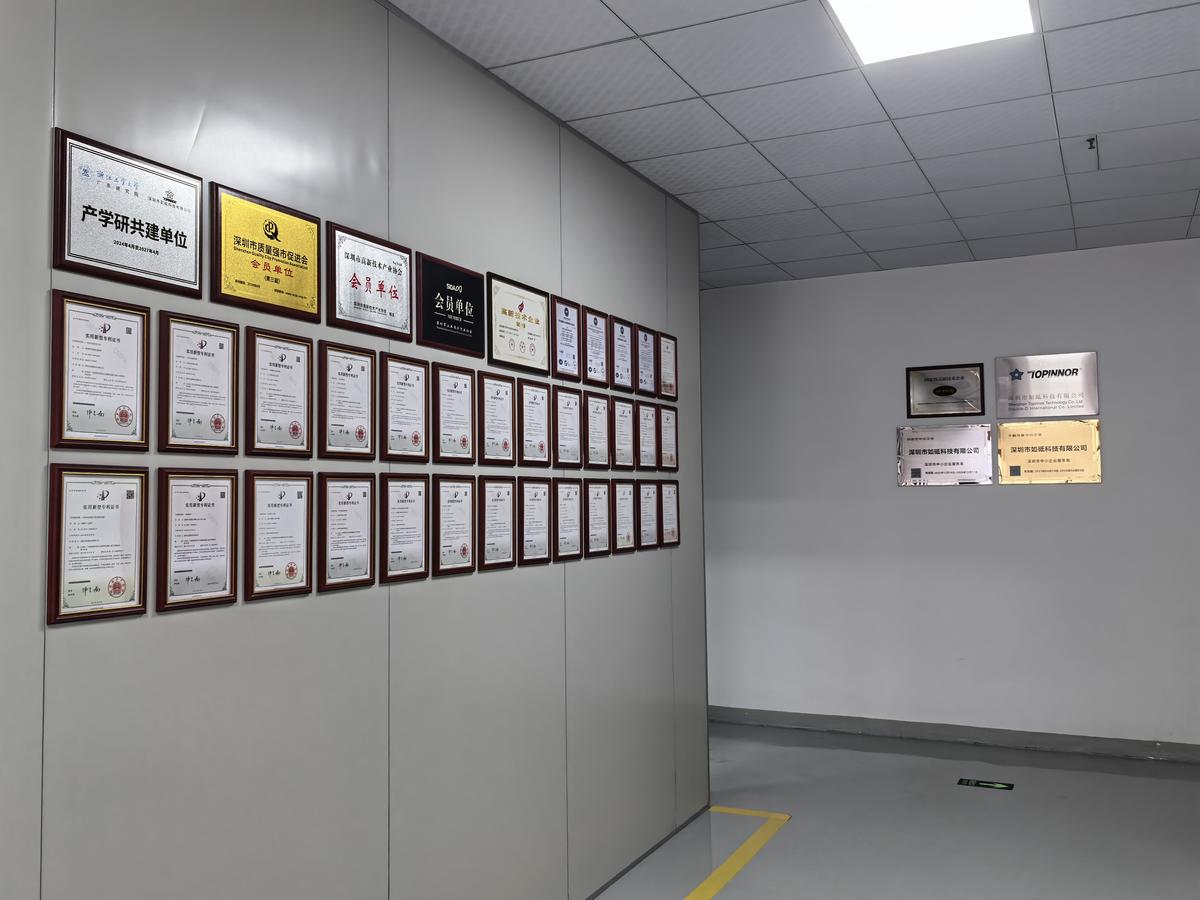
Our patent wall — 29 granted patents and certifications
Dimension 4: Technical & Engineering Capability
- R&D team size and background
- IP portfolio: Do they hold patents?
- DFM (Design for Manufacturing) process
- Prototyping: 3D printing, CNC, soft tooling
Dimension 5: Communication
- Dedicated project manager (not a disappearing salesperson)
- Language proficiency and responsiveness
- Weekly updates with photos/video from production
- References from current international clients
Dimension 6: IP Protection
- Will they sign an NDA before sharing designs?
- Experience with branded/international clients
- Register key IP in both your country and China
Dimension 7: Pricing Transparency
- Itemized quotation (materials, labor, packaging, tooling, testing, shipping)
- MOQ tiers and price breaks
- Payment terms (typical: 30% deposit, 70% before shipment)
- Price validity period
Phase 4: The Sampling Process
- Request engineering samples (not just cosmetic mockups)
- Test rigorously: function, drop, aging, user acceptance tests
- Document all issues (photo + description + severity)
- Review their response speed and root cause analysis
The sampling phase reveals more about a partner than any questionnaire. Their attitude toward problems tells you everything.
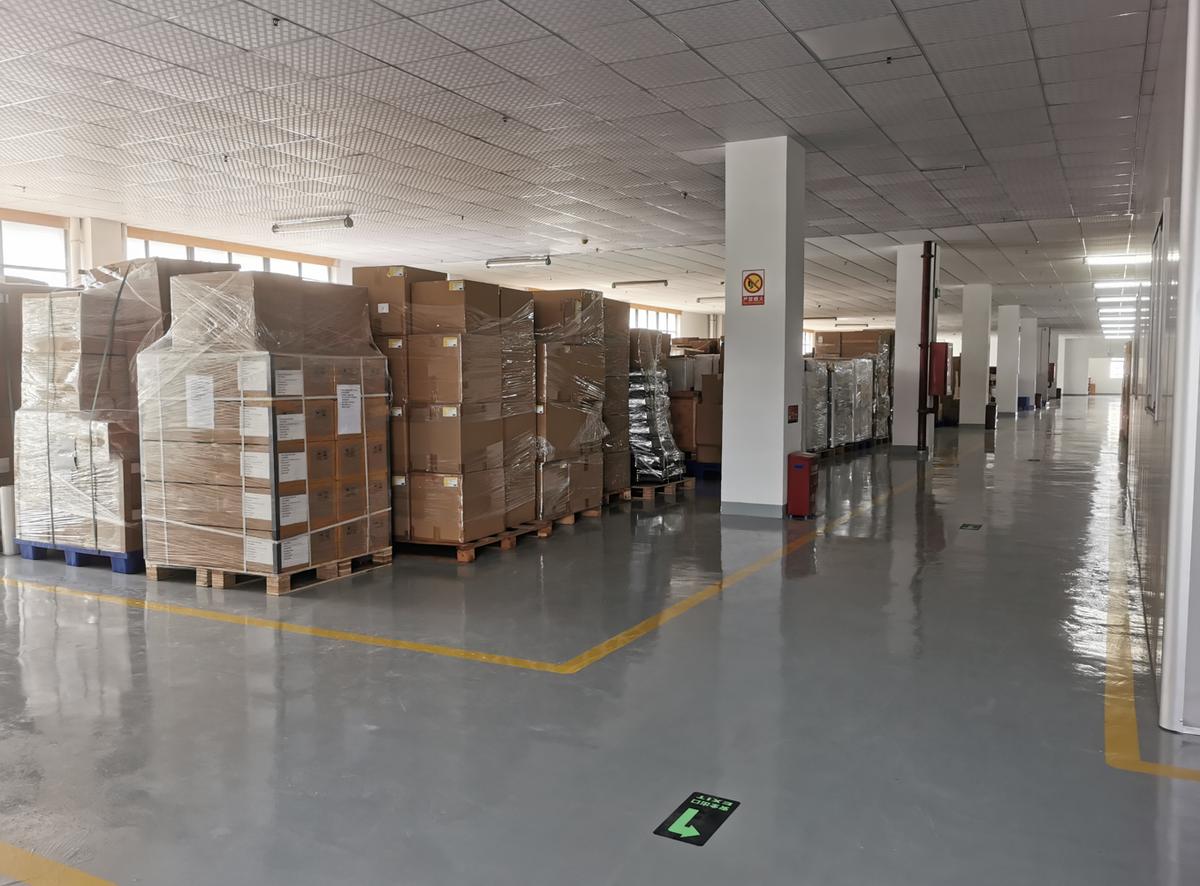
Finished goods warehouse — ready for global shipping
Phase 5: Red Flags
| Red Flag | Why It Matters |
|---|---|
| Unwilling to provide business license | Hides something |
| No verifiable international track record | May only serve domestic market |
| Pushes for >50% upfront payment | Cash flow red flag |
| Vague quality promises without data | No real QMS |
| Refuses NDA or IP discussion | IP risk |
| Promises everything in 24 hours | Overpromising pattern |
| Factory address ≠ registered address | May be a trading company |
Emerging Trends: Future-Ready Partners
Smart Factory Indicators
- AI-powered visual inspection on the production line
- IoT-connected equipment for real-time monitoring
- Predictive maintenance (top factories: up to 30% downtime reduction)
- Digital twin capabilities
Sustainability & ESG
- ISO 14001 environmental certification
- Clean energy usage (solar, renewable)
- Carbon footprint reporting
- Sustainable packaging
Supply Chain Resilience
- Multi-country logistics routing
- Flexibility for alternative ports
- Tariff classification expertise
- "China + 1" strategy support
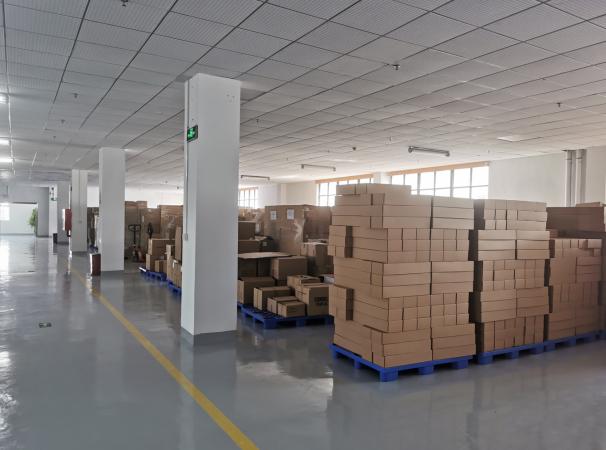
Raw material warehouse — organized incoming inspection
Conclusion
Choosing a manufacturing partner in China is one of the most strategic decisions your company will make. In 2026's complex trade environment, the lowest-quote factory is rarely the right answer. Look for a partner who:
- Has verifiable credentials and transparent operating history
- Demonstrates technical depth — especially for ODM/R&D
- Runs a documented quality system with real data
- Communicates proactively and treats problems as opportunities
- Invests in automation, sustainability, and future-ready capabilities
- Views the relationship as a long-term partnership
When you find a partner who checks these boxes, you have found more than a supplier — you have found a competitive advantage.
Last updated: June 8, 2026 | Based on McKinsey Supply Chain Risk Survey, Thomson Reuters Global Trade Report, and China Sourcing Trends research.
Comments (2)
The 7-dimension vetting framework is exactly what we needed. We just went through a painful experience with a factory that looked great on Alibaba but had no real QMS. The sampling phase advice is spot on — that is where we caught critical quality gaps that would have cost us massively in production.
Great overview of the 2026 landscape. The tariff volatility section really resonates — we saw our landed costs swing 18% last quarter due to policy changes. We are now actively looking for partners who can help navigate HS code classification and multi-country logistics routing. The "China + 1" strategy discussion is particularly timely.
Leave a Comment