Latest Articles
New posts every Tuesday and Thursday.
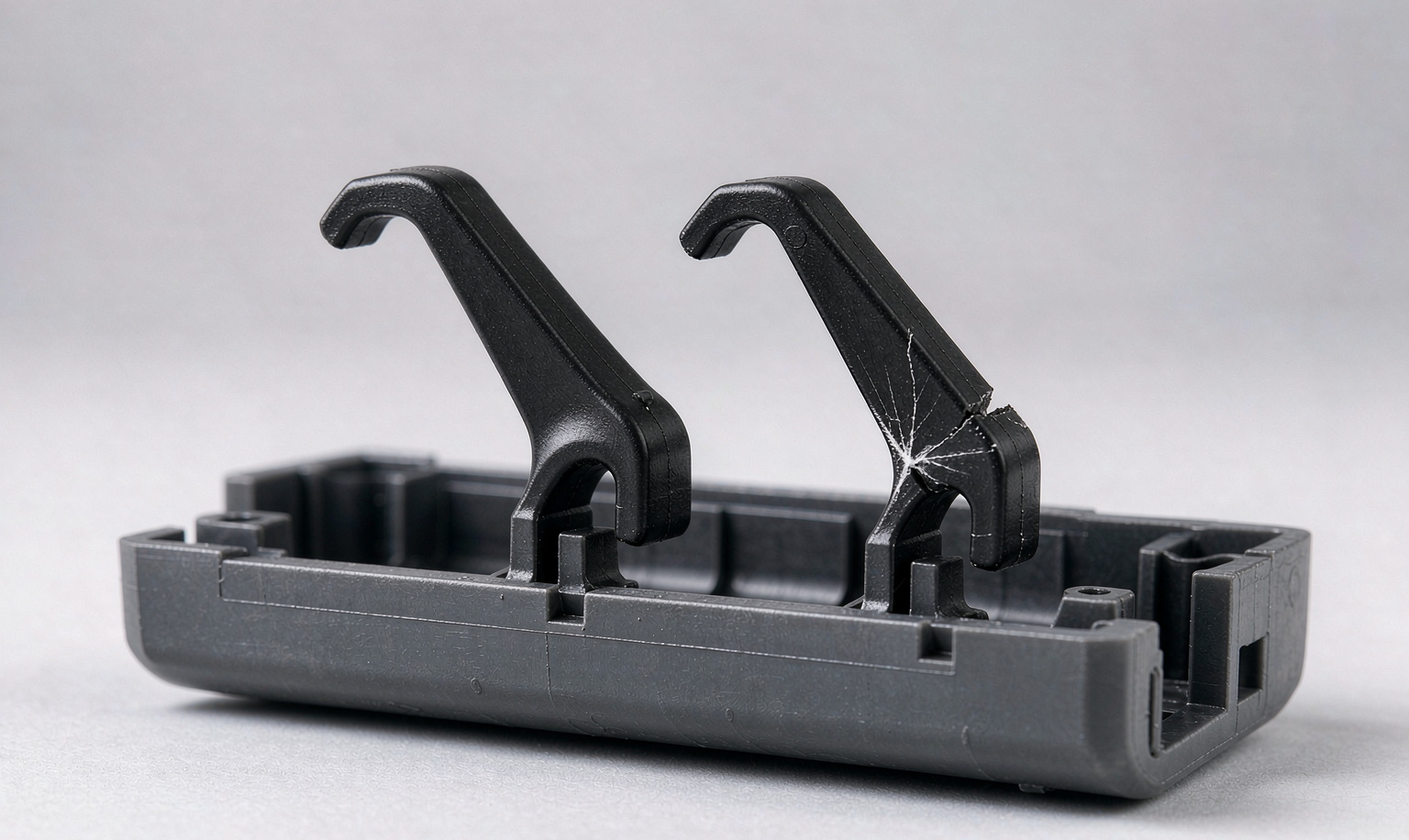
Snap Fit Design: Why the Clip That Survived 100 Bench Cycles Snapped on Assembly Day
Snap fit design is a strain budget, not a feature you draw. Why a clip that survives a hundred prototype bends cracks on the first production assembly — and the four places it quietly fails.
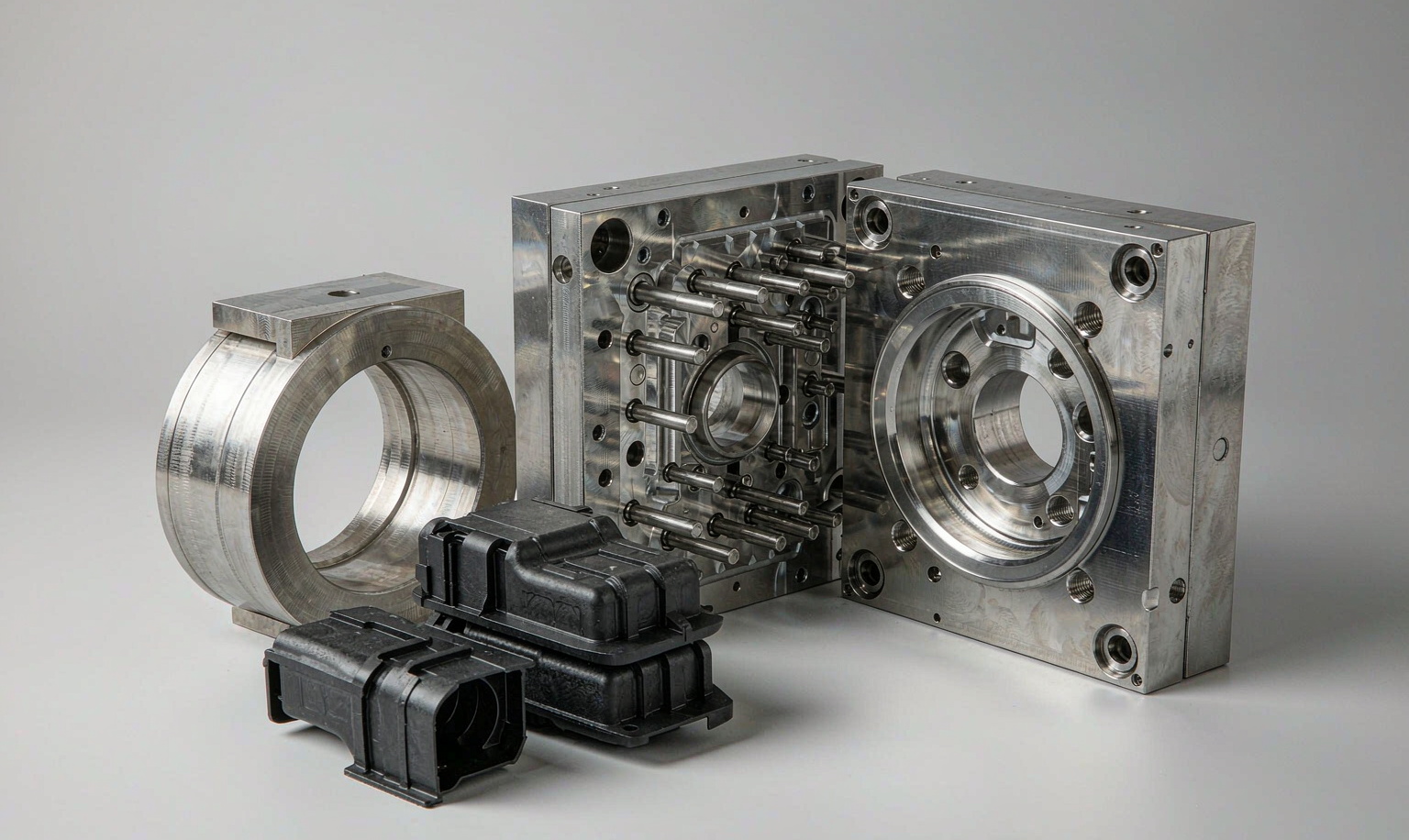
Low Volume Manufacturing: Why the Cheapest Mold Is the One You Don't Cut Yet
Low volume manufacturing is not small mass production. Below ~5,000 units the per-part price measures your tooling decision, not the part — and in 2026 duty on the mold itself adds 28-41% before your first shipment.
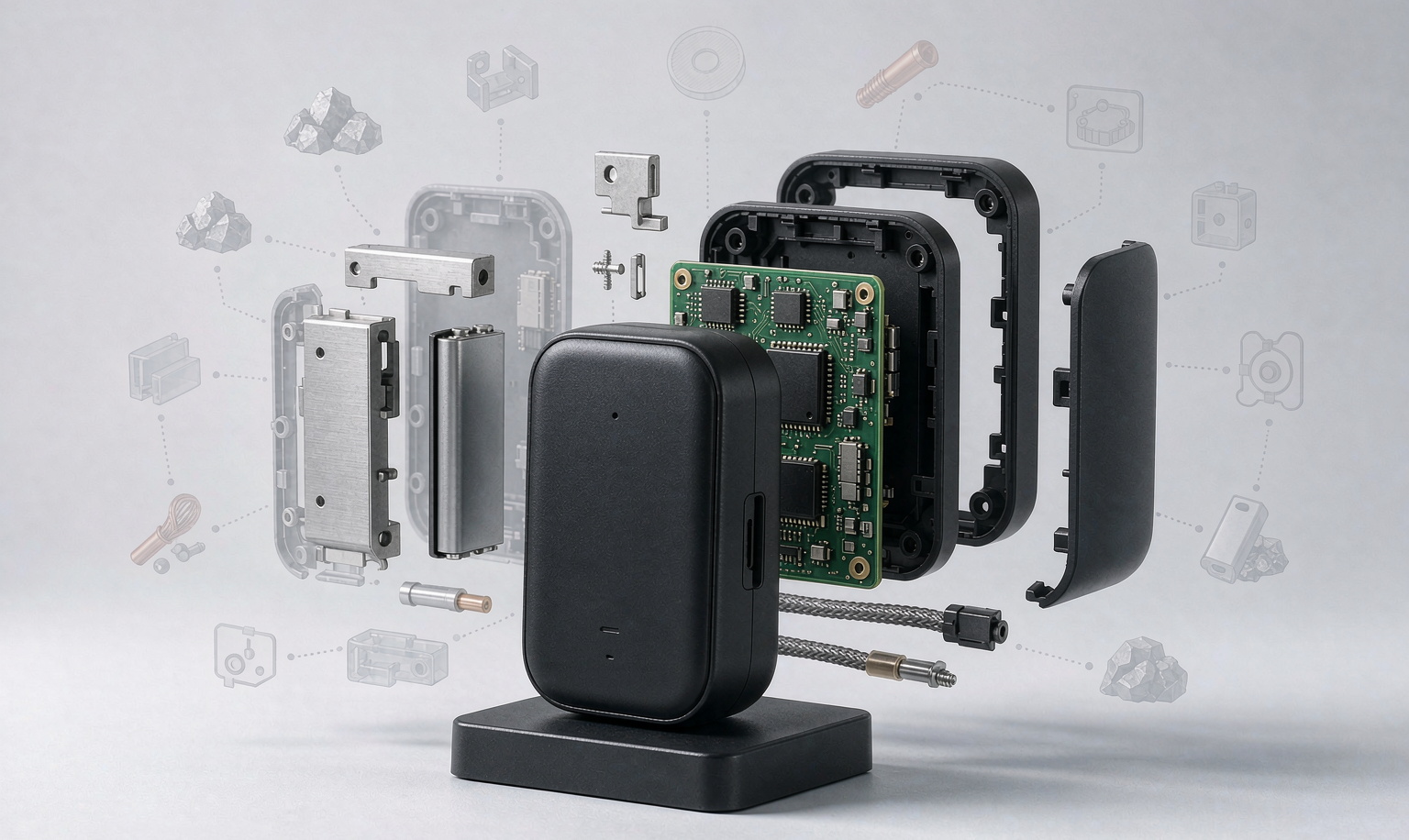
Vet a Chinese Manufacturing Partner: Why the Factory Tour Is the Least Useful Part of Due Diligence
To vet a Chinese manufacturing partner in 2026 means qualifying the supply chain behind the factory, not just the workshop you tour. The UFLPA entity list hit 187, "factory fronts" are rising, and the old ISO-cert playbook is obsolete.
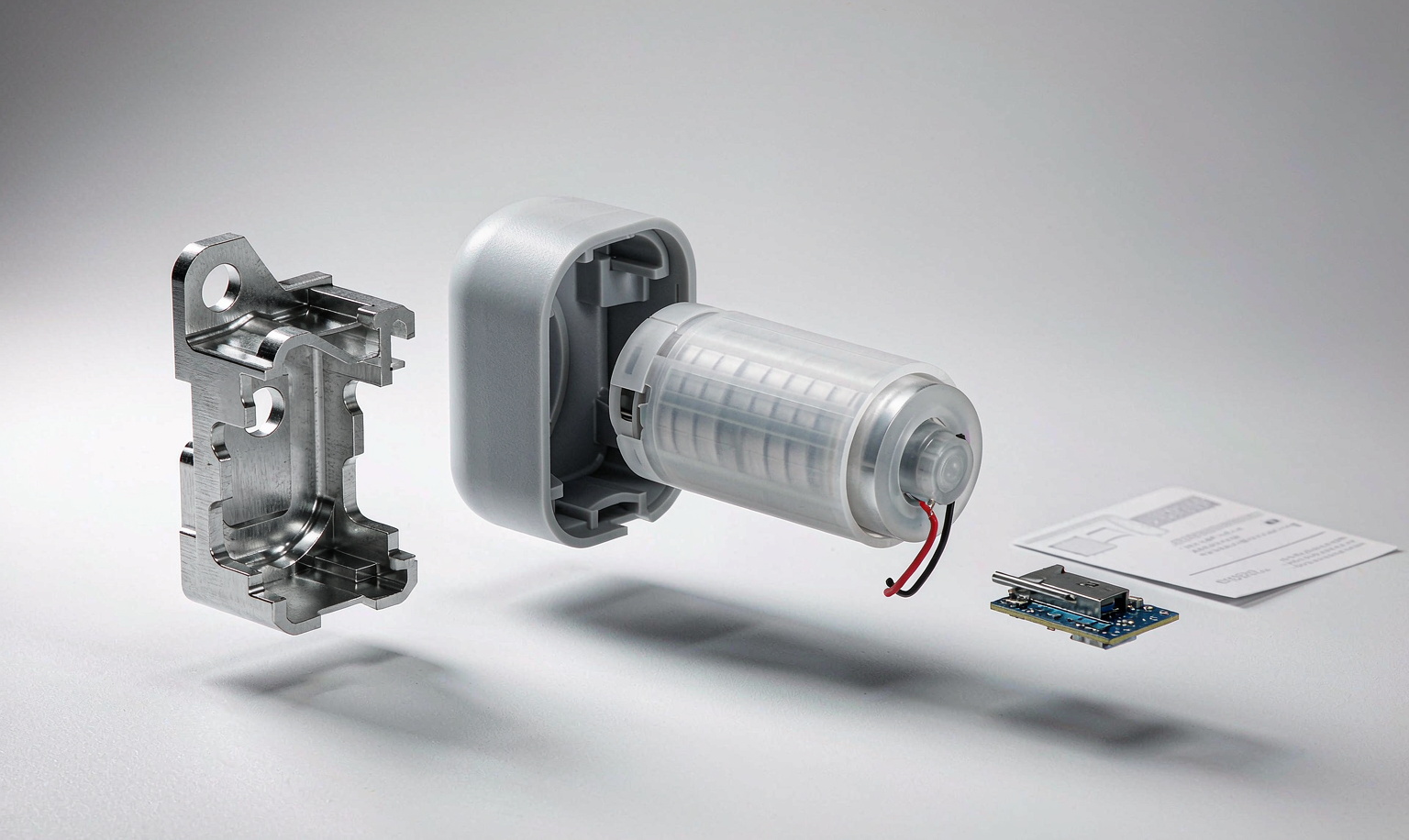
Prototype to Mass Production Timeline: Why the Quote You Got Is Half the Story
A prototype to mass production timeline is three parallel tracks — engineering, supply chain, compliance — that only converge at mass production. Why your 14-week quote becomes 28.
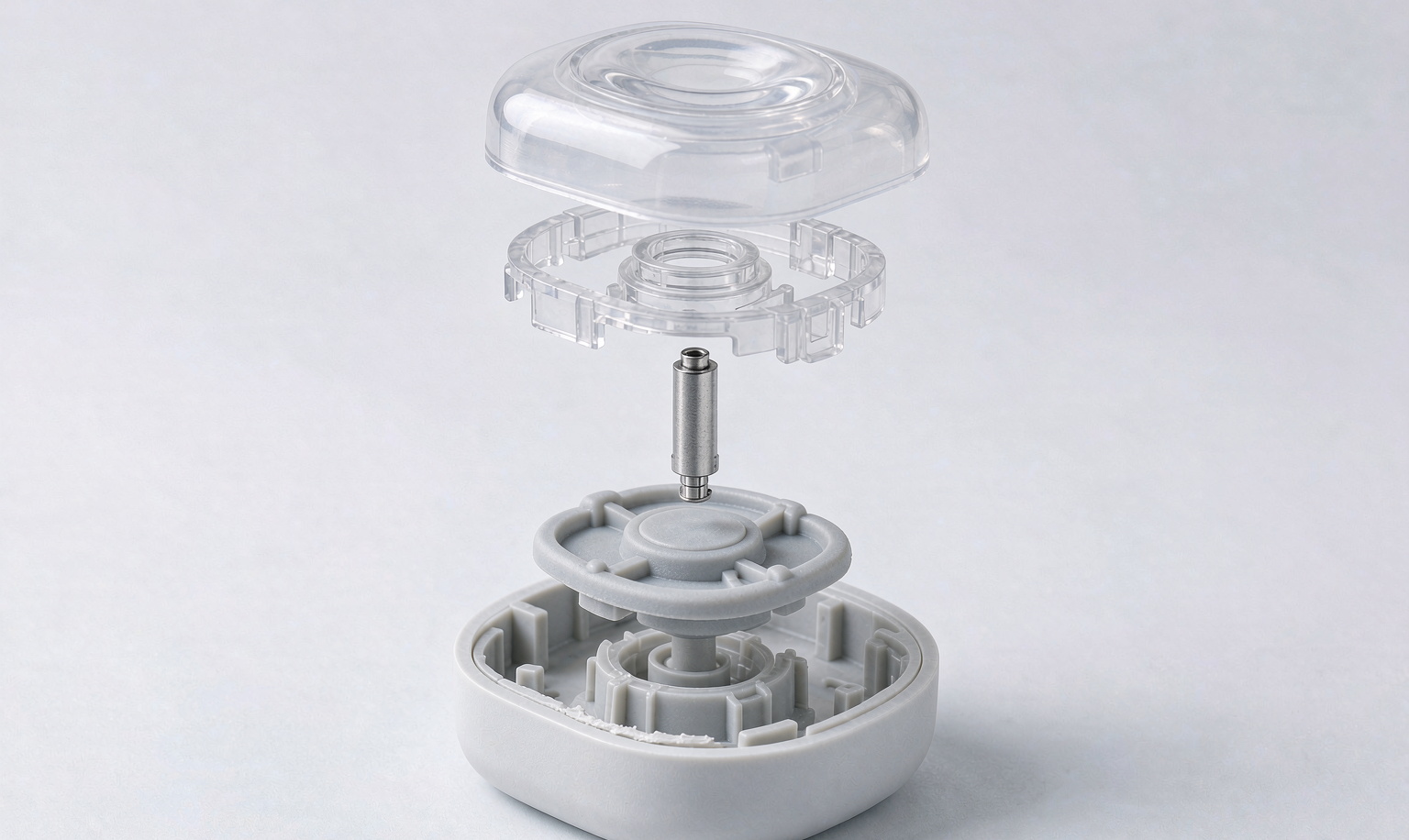
The Prototype to Mass Production Gap: Why the Factory Builds Your File, Not Your Prototype
The prototype to mass production gap is a knowledge problem, not a tooling problem. Why the factory builds your file, not your prototype — and how to close it with a DFM report before tooling.
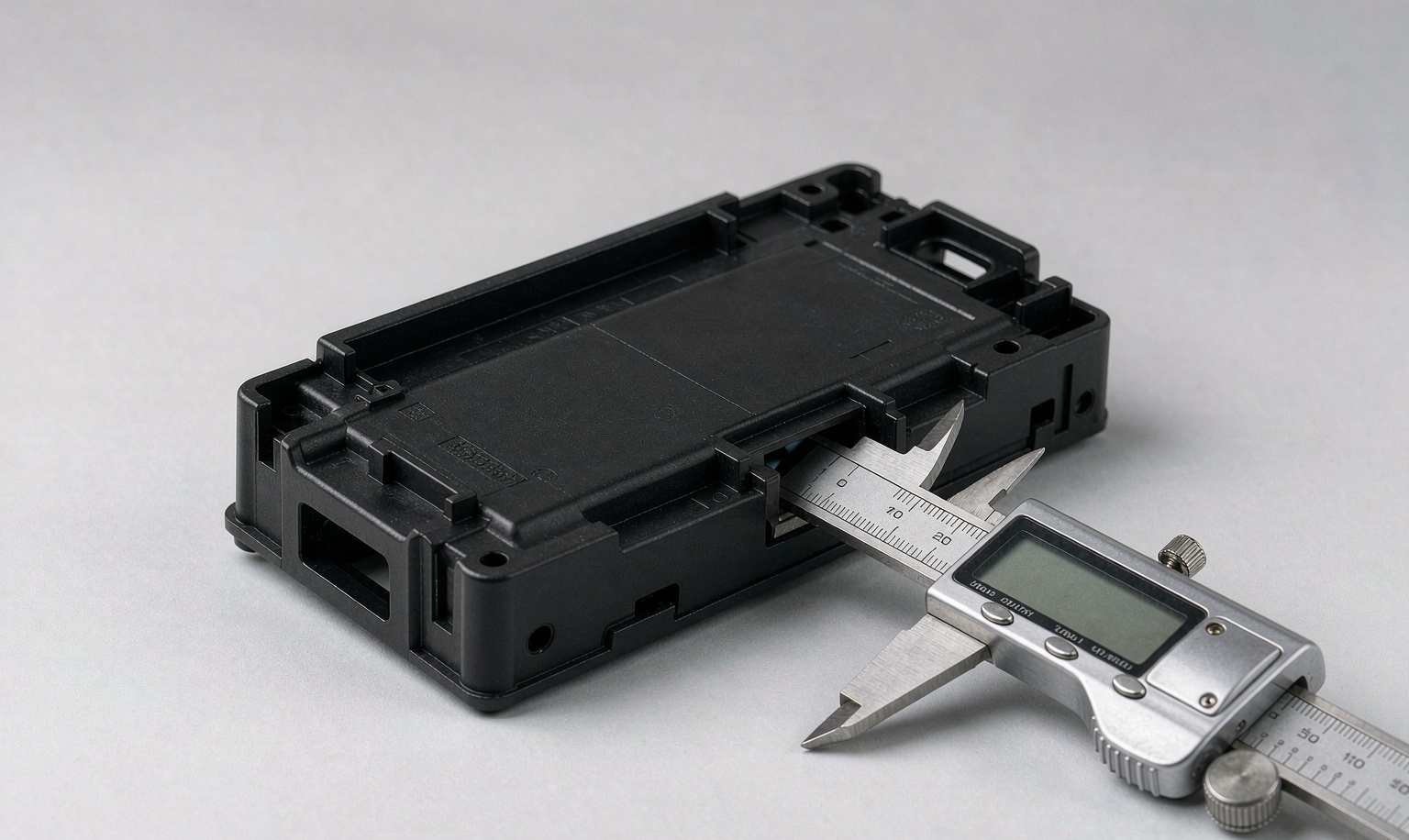
Design for Manufacturing Reduces Manufacturing Costs — But Most Teams Pull the Wrong 3 Levers
Design for manufacturing reduces manufacturing costs by targeting tolerance, material, and part-count levers before tooling — with the 2026 cost-of-change curve, a decision tree, and a 5-question FAQ.
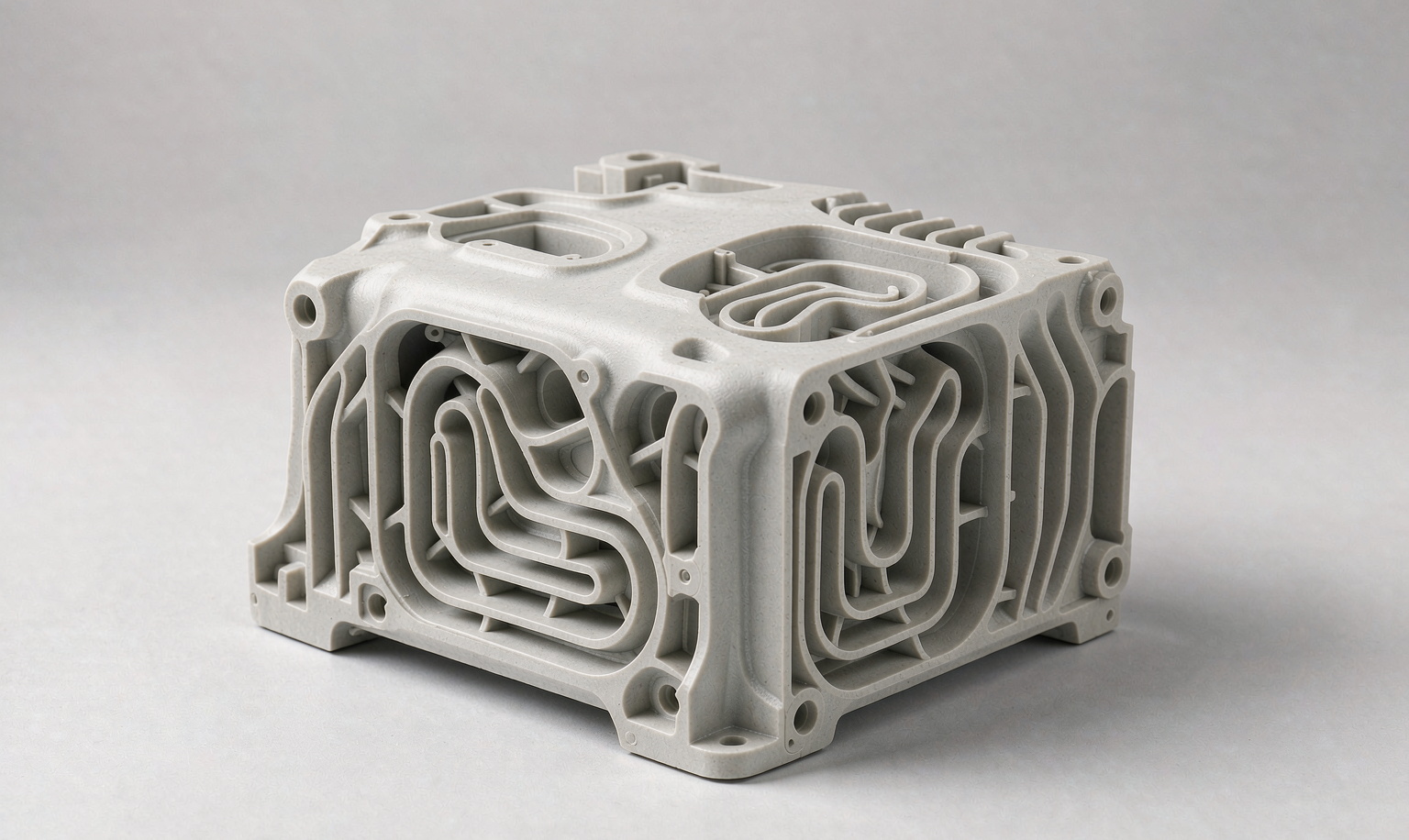
3D Printing vs Injection Molding: When Additive Manufacturing Is the Right Production Process
3D printing vs injection molding is a process-fit decision, not a cost race. When additive manufacturing is the right production process — geometry, volume, and the 2026 tariff stack — with a decision tree and FAQ.
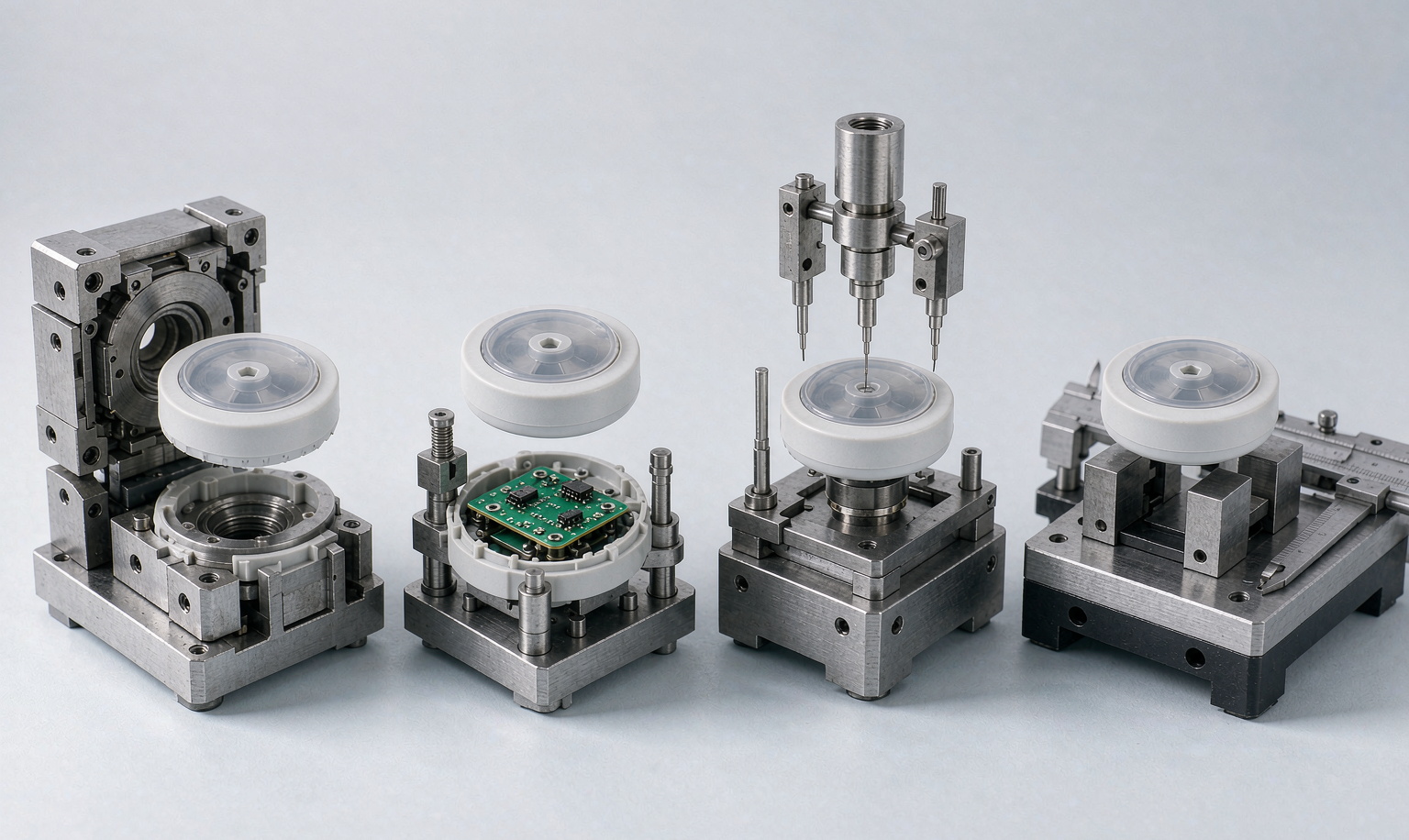
How to Launch a Hardware Product Fast: The 4 Levers That Actually Buy You Time
Fast launches come from running design, sourcing, tooling, and qualification in parallel — not from cutting steps. The four levers that compress NPI, the two traps that only move risk, and a launch-speed decision tree for 2026.

Manufacturing Options for Retail Brands (2026): OEM, ODM, or a Product Engineering Partner?
Three ways a retail brand with no factory gets a product made — OEM, ODM, or a product-engineering partner. What each owns, costs, and risks, and a decision tree for 2026.

Design Validation Before Production: The Consumer-Electronics Gate Most Founders Skip
Design validation before production — the EVT/DVT/PVT gate where a CAD file proves it can become a repeatable product. What DVT must test, the cost curve that punishes skipping it, and a checklist.
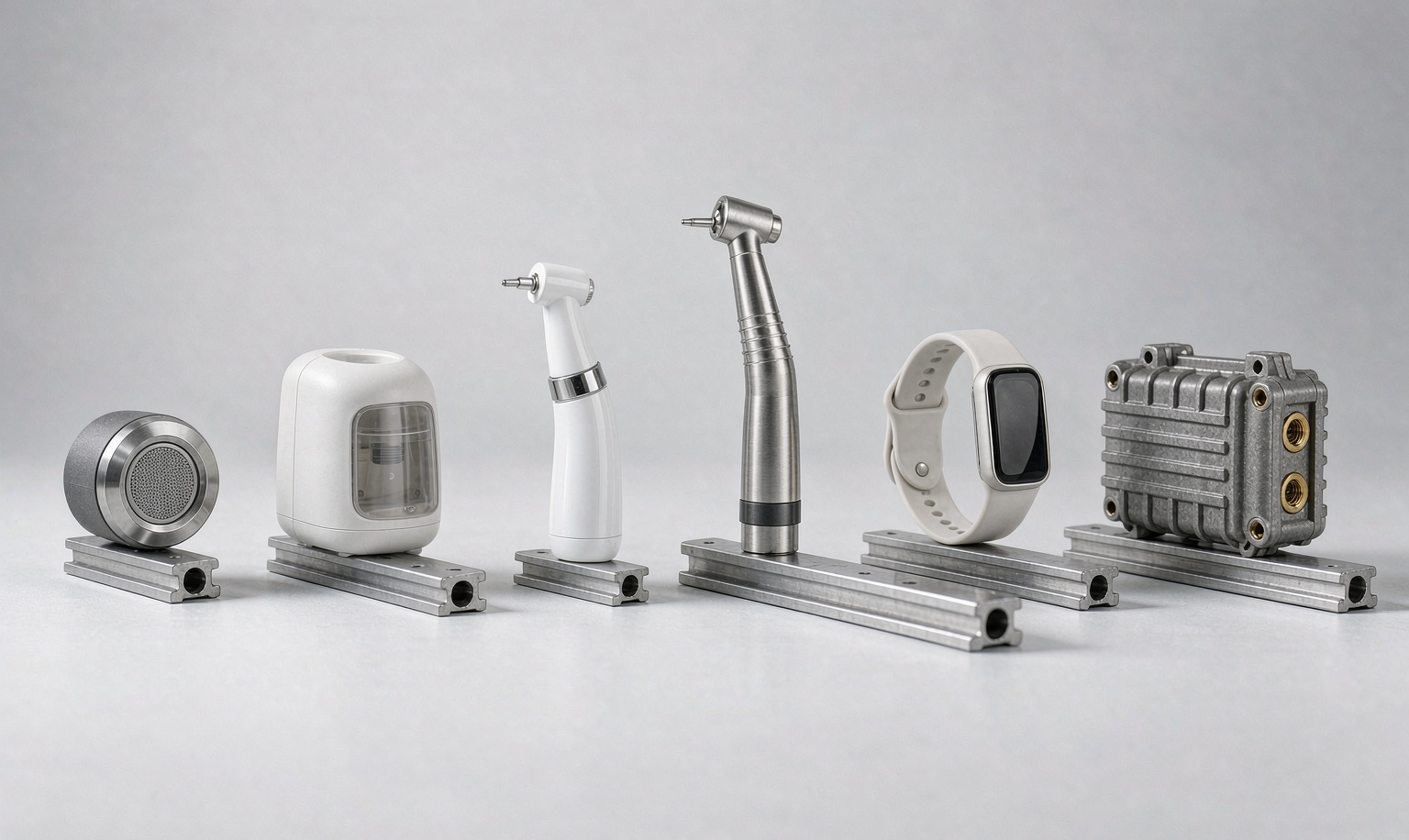
Average Time from Concept to Production, by Industry (2026)
A 2026 comparison of concept-to-production timelines across six product categories — and the phase that quietly controls your calendar. Benchmarks, three deep-dives, and a 5-question FAQ.
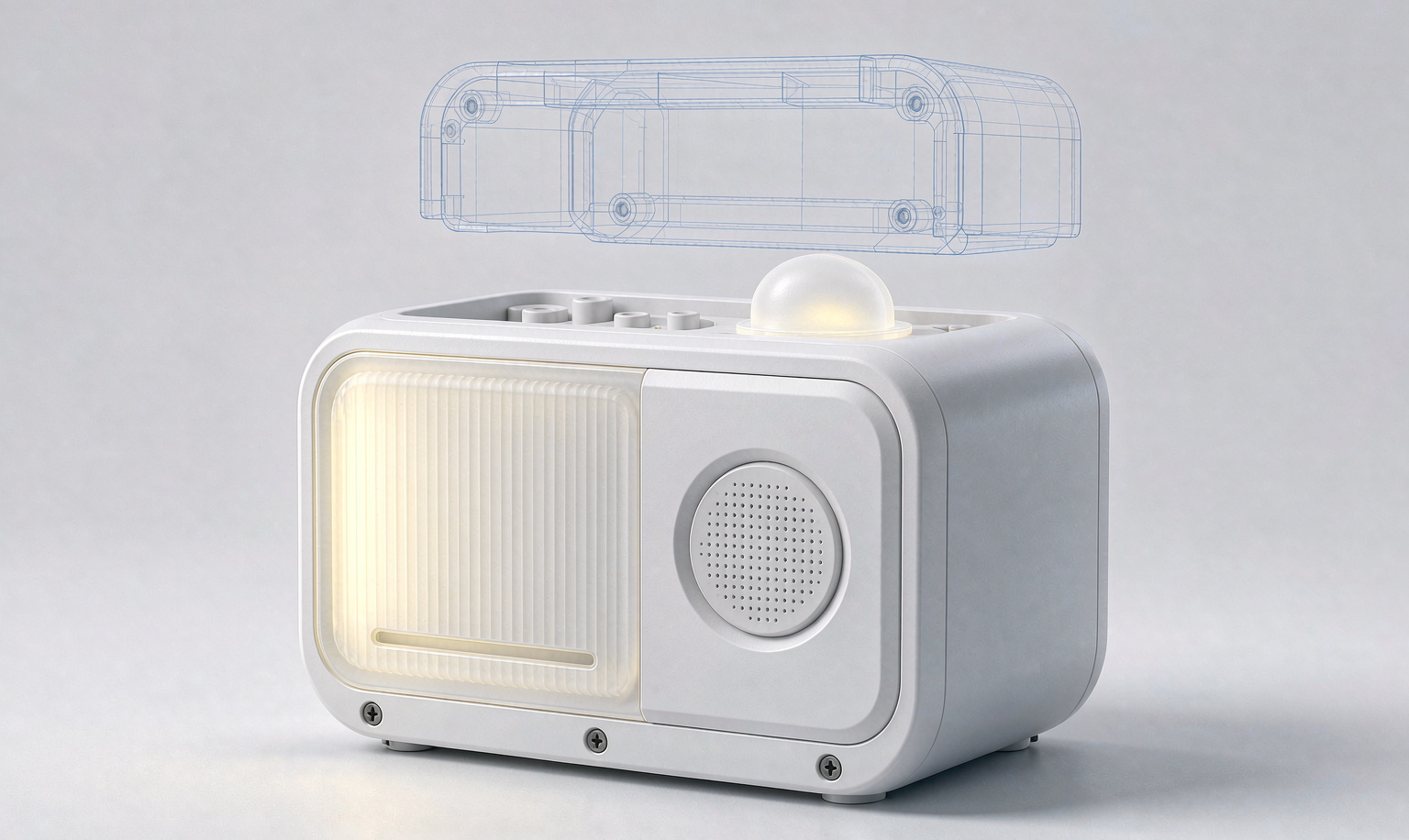
Product Idea to Manufacturing: The 5 Identities Your Sketch Forgets — and Why 2026 Makes Them Non-Negotiable
A product idea to manufacturing is the discipline of assigning five manufacturing identities — material, process, volume, certification, geography — before schedule pressure assigns them for you. A $750K render that couldn't be built, the 2026 forces widening the gap, a decision tree, and a 5-question FAQ.
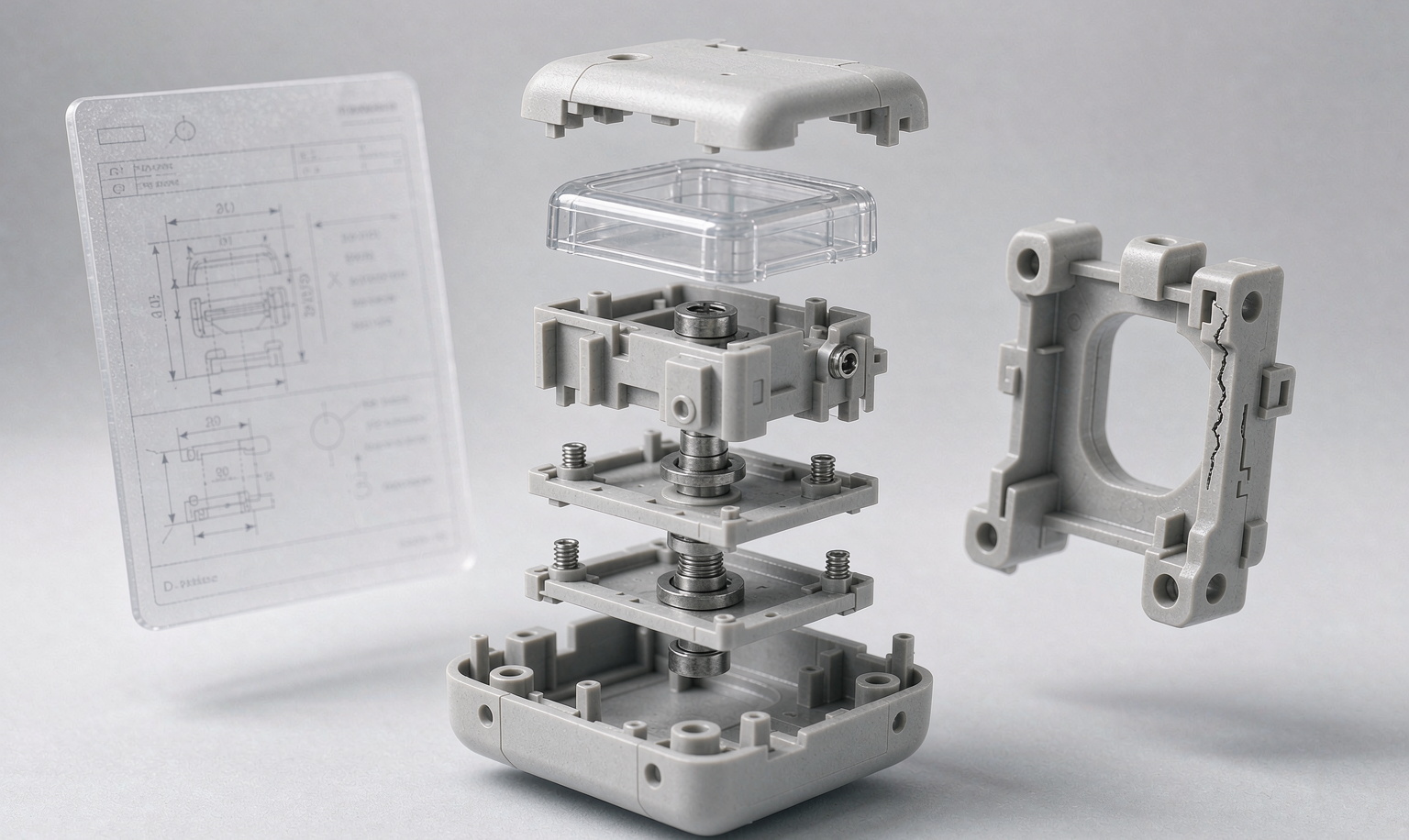
DFM to Production Playbook: The 5 Handoffs That Make or Break Your First Production Run
A DFM to production playbook is the sequence of owned handoffs that carries the report into real units — resolution matrix, tooling spec, T0/T1 parameters, FAI criteria, pilot SOP, ramp. Where first production runs break, the 2026 tariff math (~37.5%), and a decision tree.
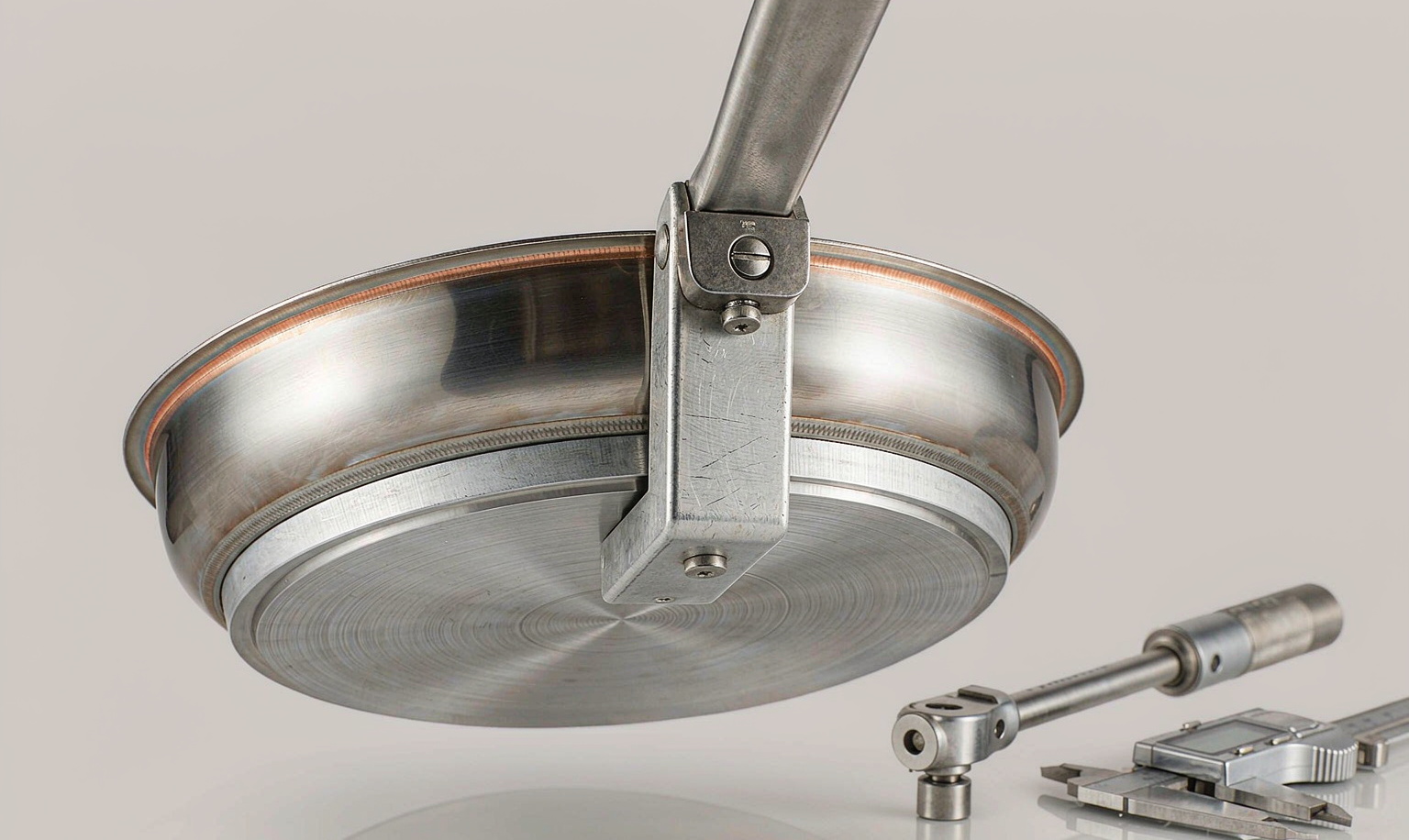
Quality Control Manufacturing China: Why Your Checklist Passed and Your Shipment Still Failed
A DTC brand's 40-point checklist passed, the PSI passed — and 3.1% of pans shipped with below-spec handle torque. Why quality control manufacturing China is an inspection chain, not a checklist: ISO 2859-1:2026 skip-lot, ISO/IEC 17020:2026, the CPSC 740K-pan recall, and EU GPSR traceability.
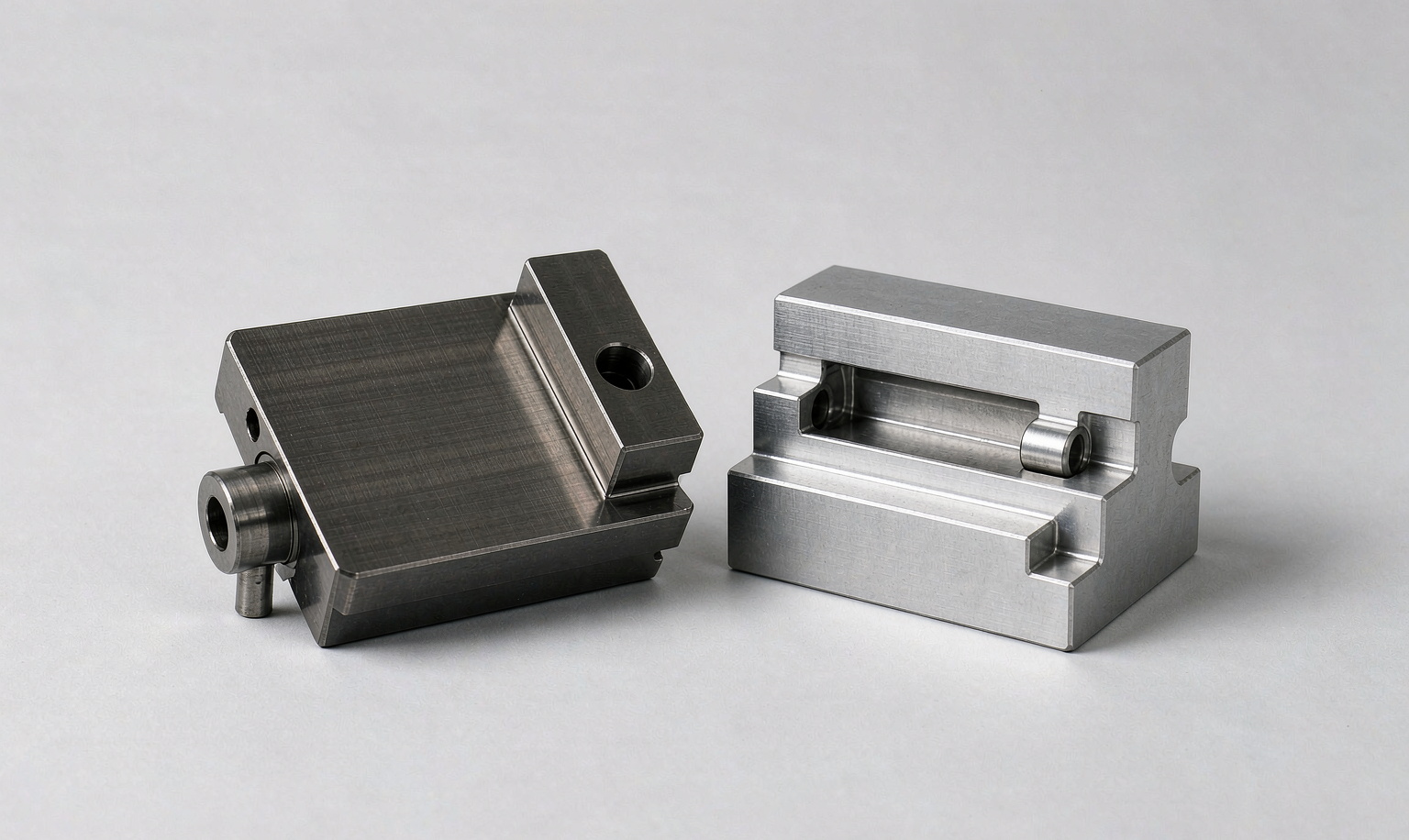
DFM Review Before Tooling: Five Decisions That Decide Whether Your Tool Costs $5,000 or $50,000
A DFM review before tooling is the last free decision in a hardware program. Three quotes for 'the same tool' that varied 7x, the five decisions that decide your mold cost, the 2026 tariff math, and a practical pre-tooling decision tree.
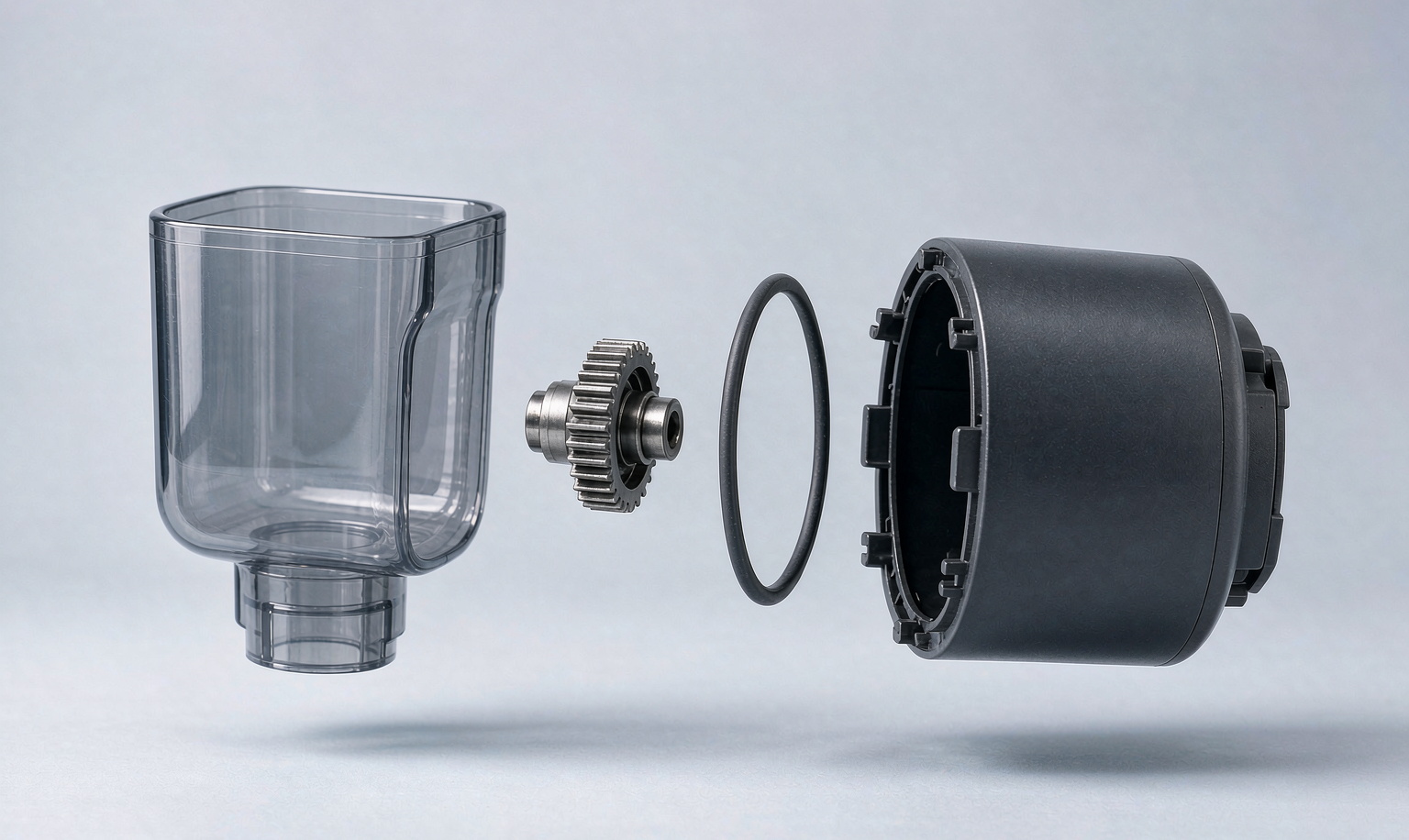
The Prototype to Mass Production Gap: 5 Assembly Traps Hiding Inside a Perfect CAD Model
The prototype to mass production gap is rarely a material or tolerance problem — it is an assembly sequence problem. A launch that died at 11 weeks out, the five traps that cause it, real cost ranges, and a 90-minute check.
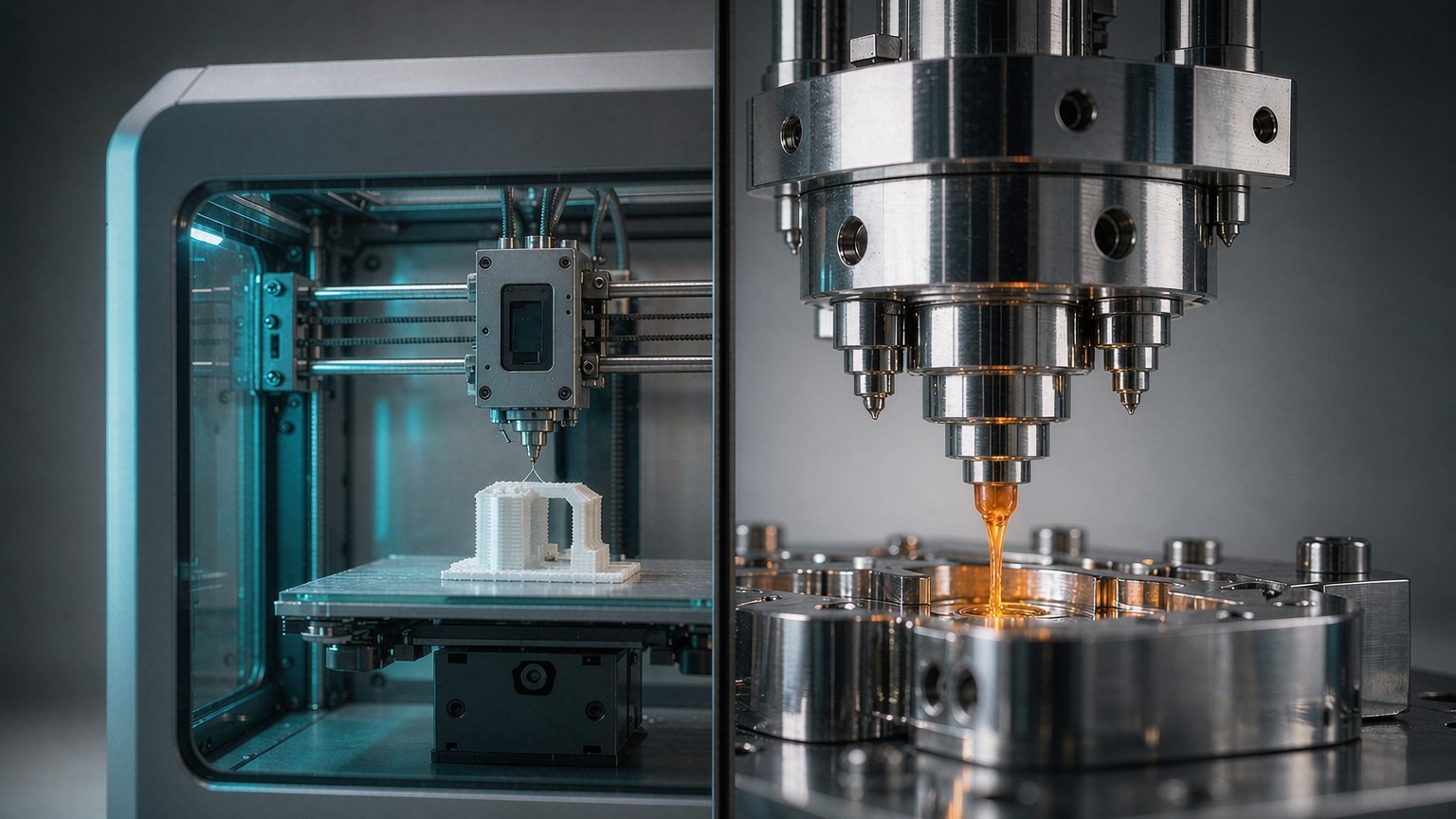
3D Printing vs Injection Molding Cost: The Break-Even Point Most Hardware Founders Get Wrong
3D printing vs injection molding is a volume-curve decision, not a technology contest. A real founder near-miss, the 2026 break-even math (including Section 301 tariffs), a decision tree, and a 5-question FAQ.
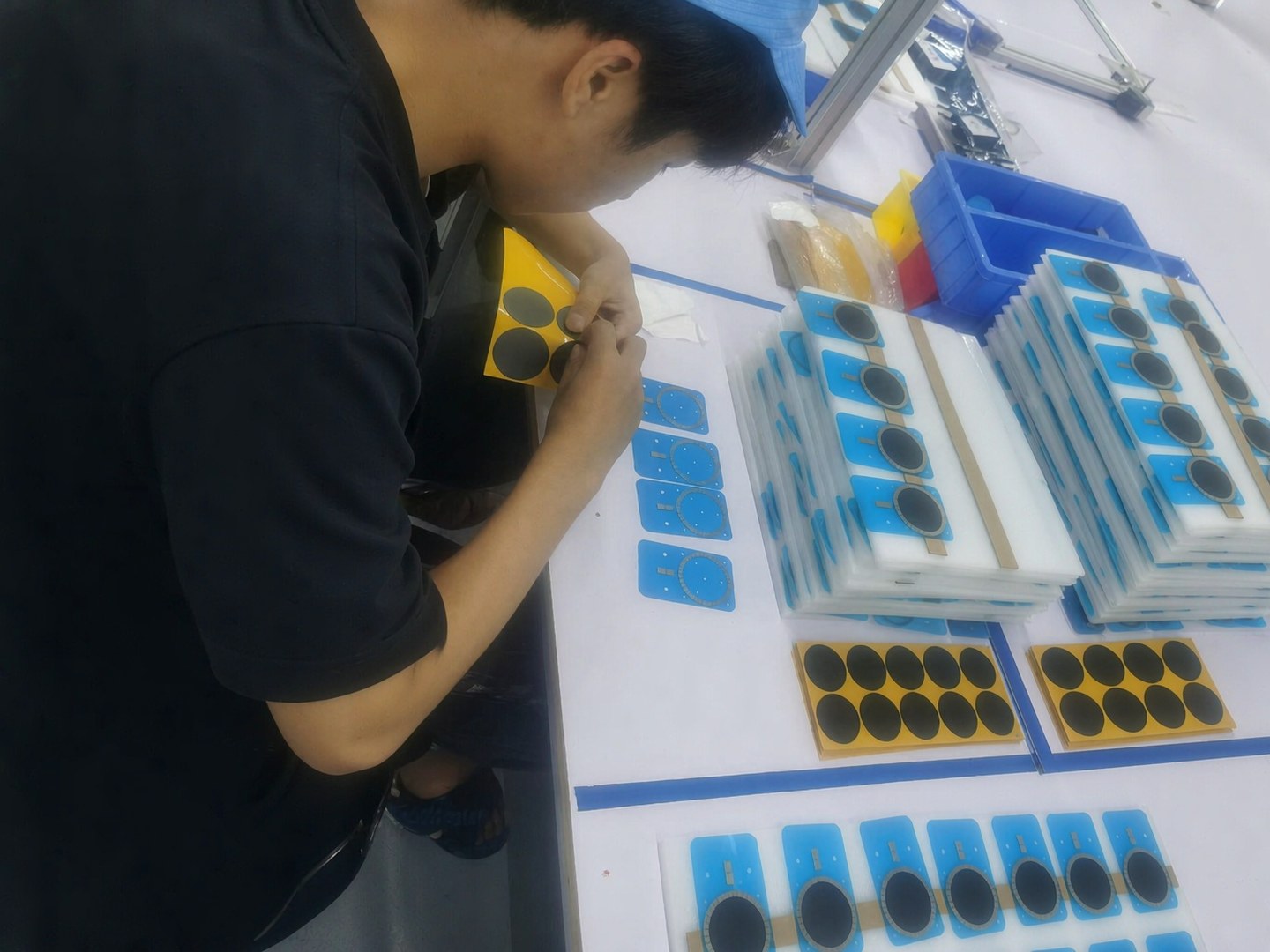
The Prototype to Mass Production Timeline in 2026: What Actually Controls Your Calendar After the Demo
Your prototype works — but in 2026 the prototype to mass production timeline is owned by tariffs and certification, not tooling. A founder near-miss, a decision tree, and a 5-question FAQ.

3 Quick DFM Self-Checks Before You Send a Part to Tooling
80% of a product's cost is committed at design. A real DFM pass that cut BOM 23% and tooling 31%, a decision tree for founders, and the principle: you cannot negotiate away a cost you designed in.
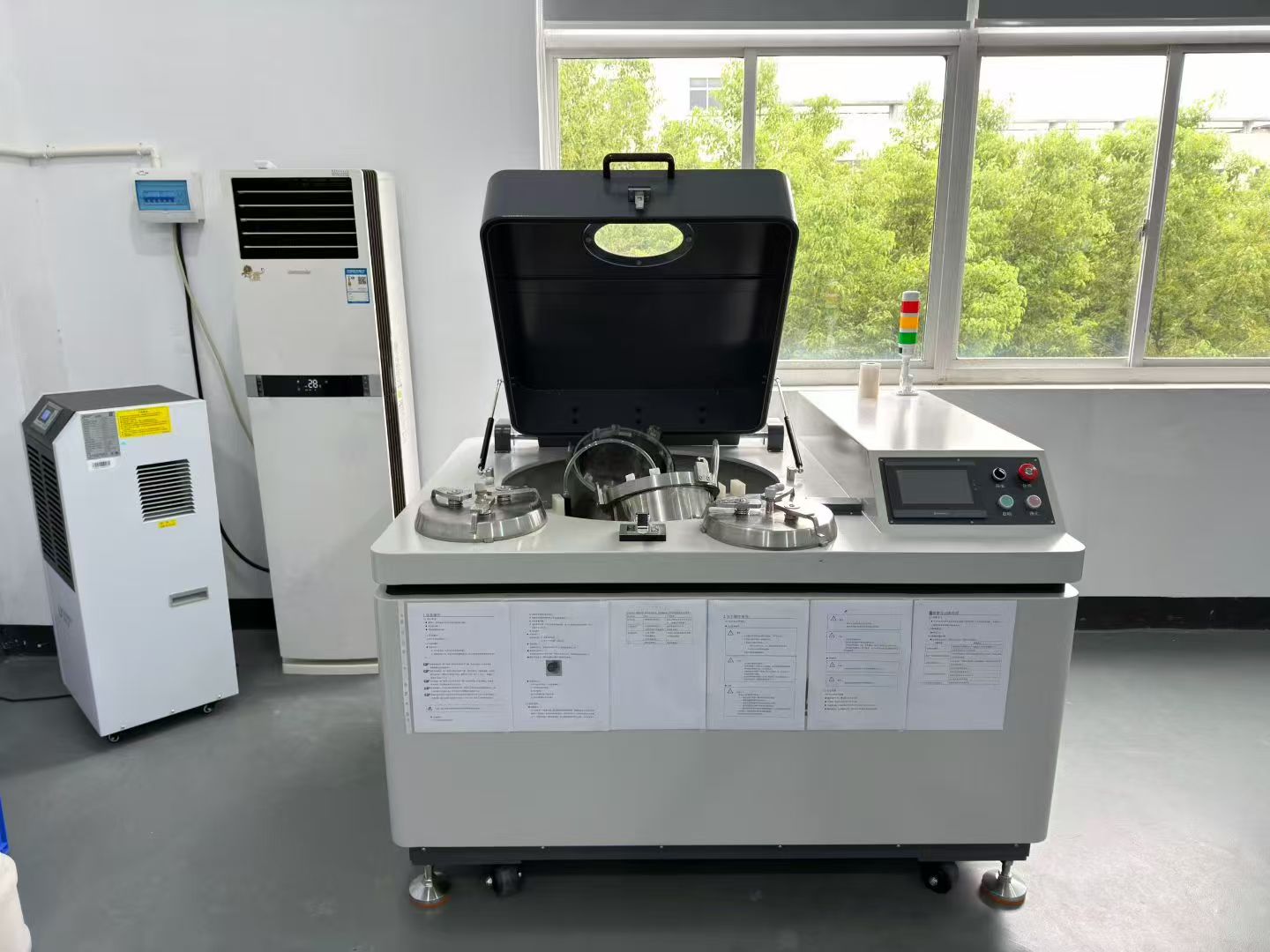
Your Unit Cost Was Decided in CAD: How Design for Manufacturing Reduces Production Costs (The 80% Rule)
80% of a product's cost is committed at design. A real DFM pass that cut BOM 23% and tooling 31%, a decision tree for founders, and the principle: you cannot negotiate away a cost you designed in.
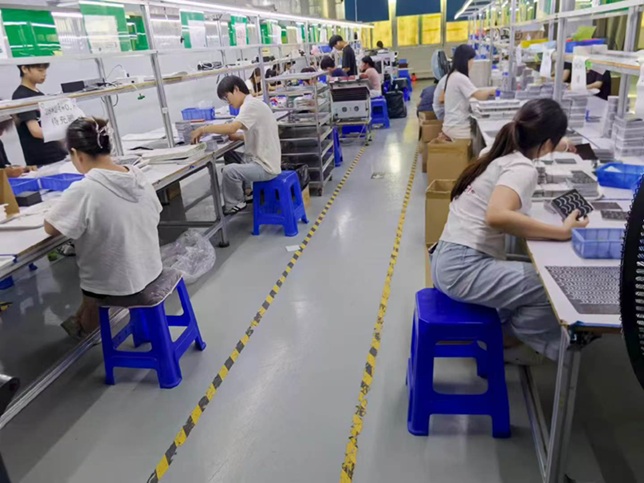
You Verified the Factory. You Forgot the Supply Chain: Vetting a Chinese Manufacturing Partner in the 2026 Compliance Era
A clean factory audit no longer implies a cleareable shipment. The 2026 compliance stack, a decision tree, and the principle for vetting a Chinese partner without flying there.
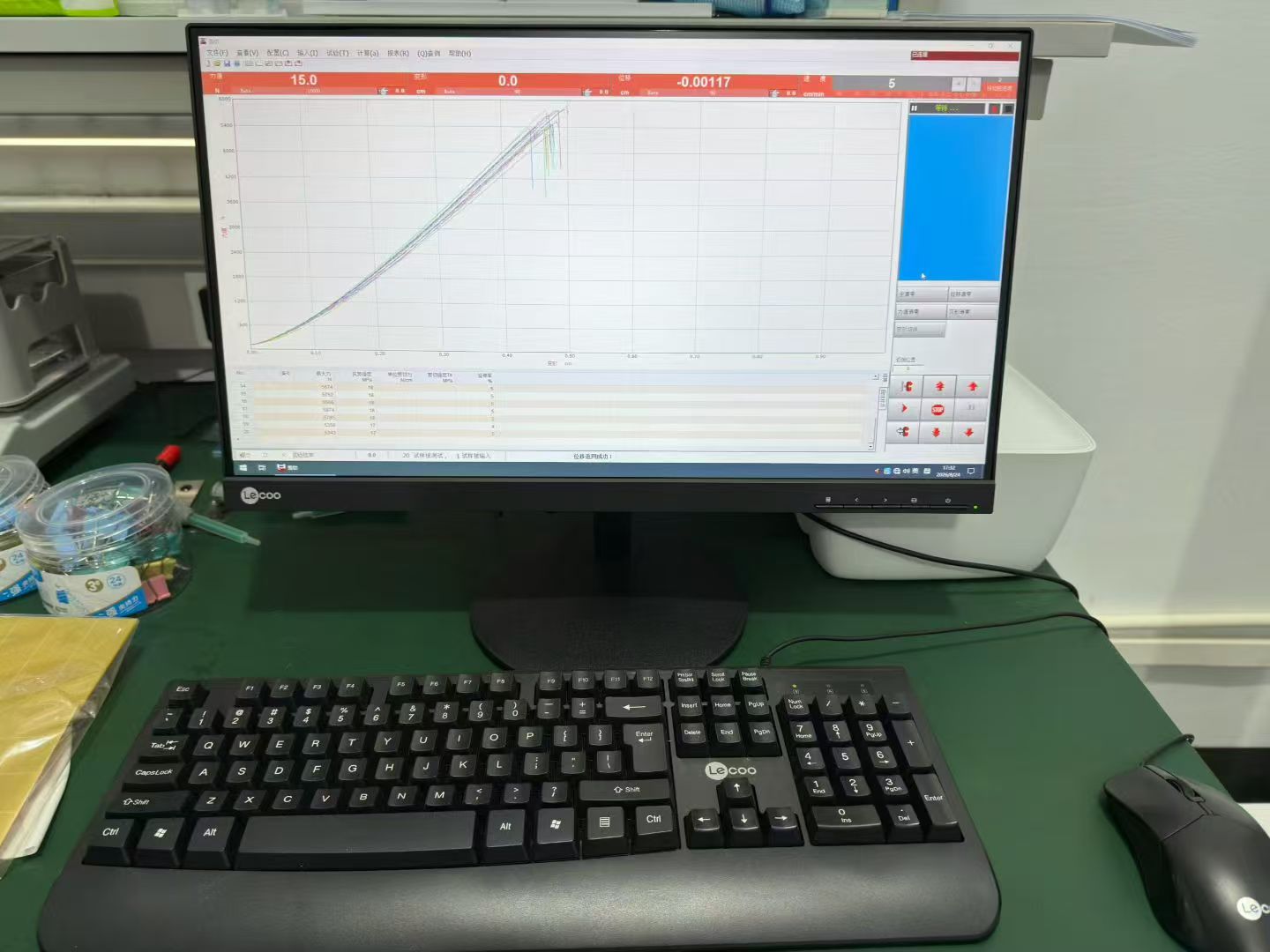
The Perfect Prototype, the Drifting Batch: Why Tolerance Stack-Up Breaks Products Between Unit #1 and Unit #10,000
A flawless prototype measures perfect because it was born from a single billet and assembled by its designer. At volume, four molded parts each carrying ±0.3 mm meet in an assembly the math was never asked to predict.
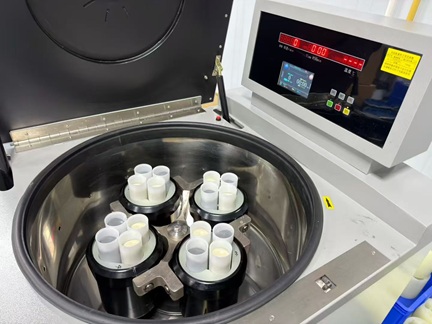
Before the Mold Was Cut: How a Kickstarter Founder Saved $40K With One DFM Review
Ten days from a $28K mold, one DFM review caught a flaw that would have cost ~$40K. The story, the 2026 tariff twist, and the decision tree.
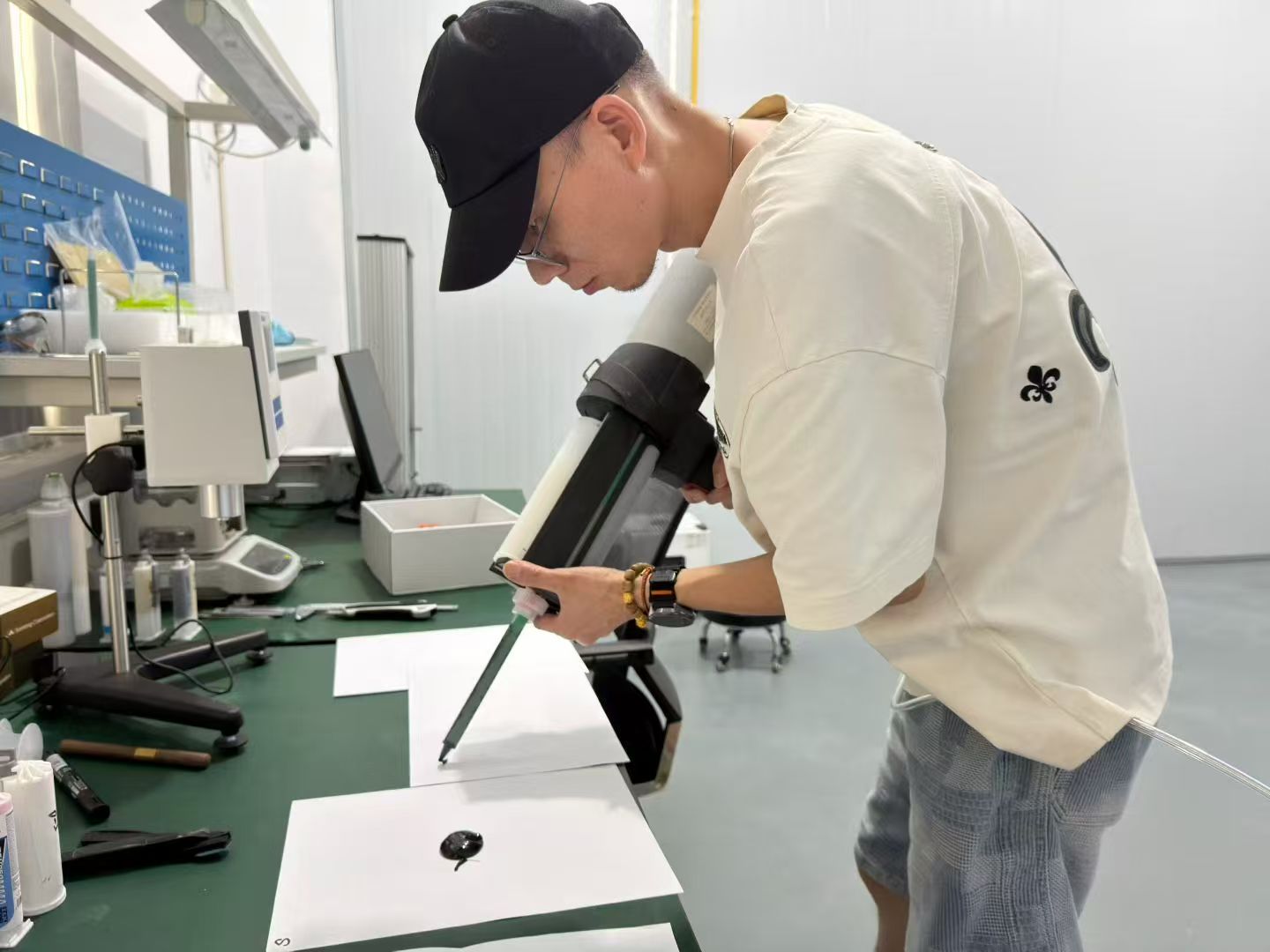
The Sketch Is a Wish, the Shelf Is a Contract: 7 Shifts Your First BOM Never Models
A sketch is a wish; the shelf is a contract. Here are the 7 transformations every hardware founder underestimates between idea and shelf — and the 2026 tariff and compliance realities that make them non-negotiable.

The First Production Run Will Humble You: Why a Pilot Lot Beats Jumping Straight to Mass
Skipping the pilot run is the most expensive shortcut in hardware. Here is the $180K story of a founder who jumped to a 10,000-unit PO, the EVT→DVT→PVT→MP stage-gate playbook, and why the 2026 tariff and CBAM clock makes a pilot lot non-negotiable.
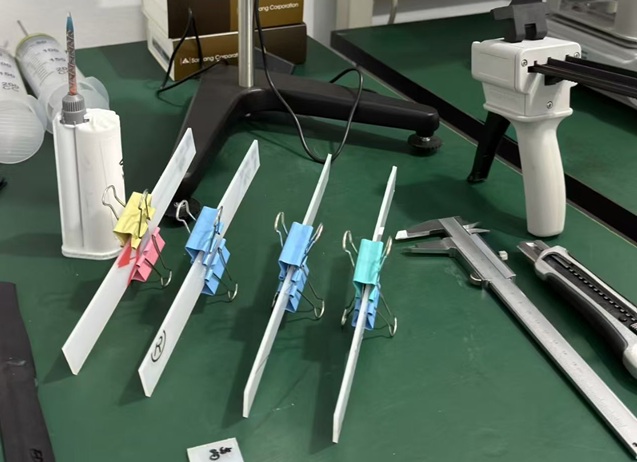
Supply Chain Anxiety in 2026: How to Vet a Manufacturing Partner When the Tariff Map Keeps Moving
Supply chain anxiety in 2026 is driven less by factories and more by a tariff map that rewrites itself every quarter. Here is the story of a founder who fled China in 2025 and got burned, the decision tree for vetting a partner without flying, and the principle that loyalty to a tariff number is riskier than loyalty to a factory you know.

You Don't Need to Fly to Shenzhen to Vet a Factory — But You Do Need a System
Flying to a factory proves almost nothing a founder needs. Here is the four-layer remote vetting system that works in the 2026 tariff-and-AI era — digital identity, live proof, quality depth, and CBP's new transshipment-traceability layer.
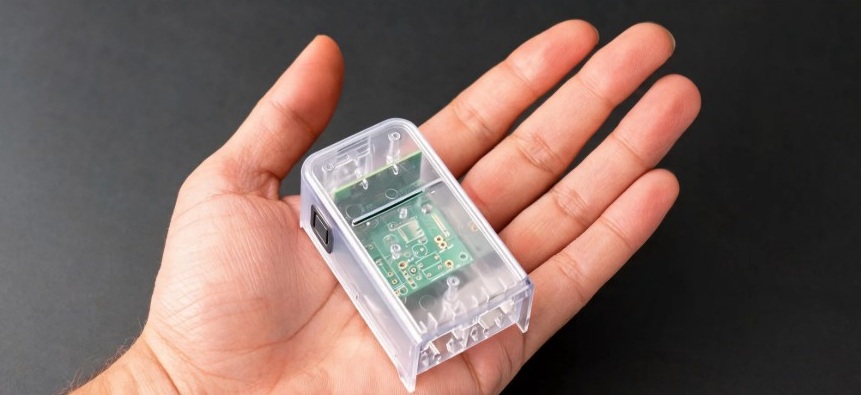
The $200K Trap: Why "Good Enough" Design Collapses at Mass Production
A "good enough" design passes on a few hand-built prototypes but carries zero margin for mass production. Here is the $200K trap one founder fell into, the 2026 tariff stack that makes it worse, and the design-readiness test that prevents it.

From DFM Report to First Production Run: A Month-by-Month Playbook for the Months Nobody Puts on the Gantt Chart
A clean DFM report is a starting gun, not a finish line. Here are the six months between sign-off and your first good production units — the AI-assisted review tools that changed 2026, and the 37.5% tariff stack to cost-model before you cut steel.

Supply Chain Anxiety: How to Vet a Chinese Factory Without Flying There — The "Right Factory, Wrong Fit" Problem Nobody Warns You About
Most hardware founders think the hard part of vetting a Chinese factory is proving it's real. It isn't. Here's why a factory that passes every check can still be the wrong choice — the four-layer remote vetting protocol, 2026 AI tools, and the tariff reality.

Your 3D Printed Prototype Is a Liar: The Five Things It Hides From Your Factory (And How to Catch Them Before You Cut Steel)
Most hardware founders treat a beautiful 3D printed prototype as proof their product is ready. It isn't. Here's why SLA and FDM prints actively hide material, process, assembly, cosmetic, and cost...
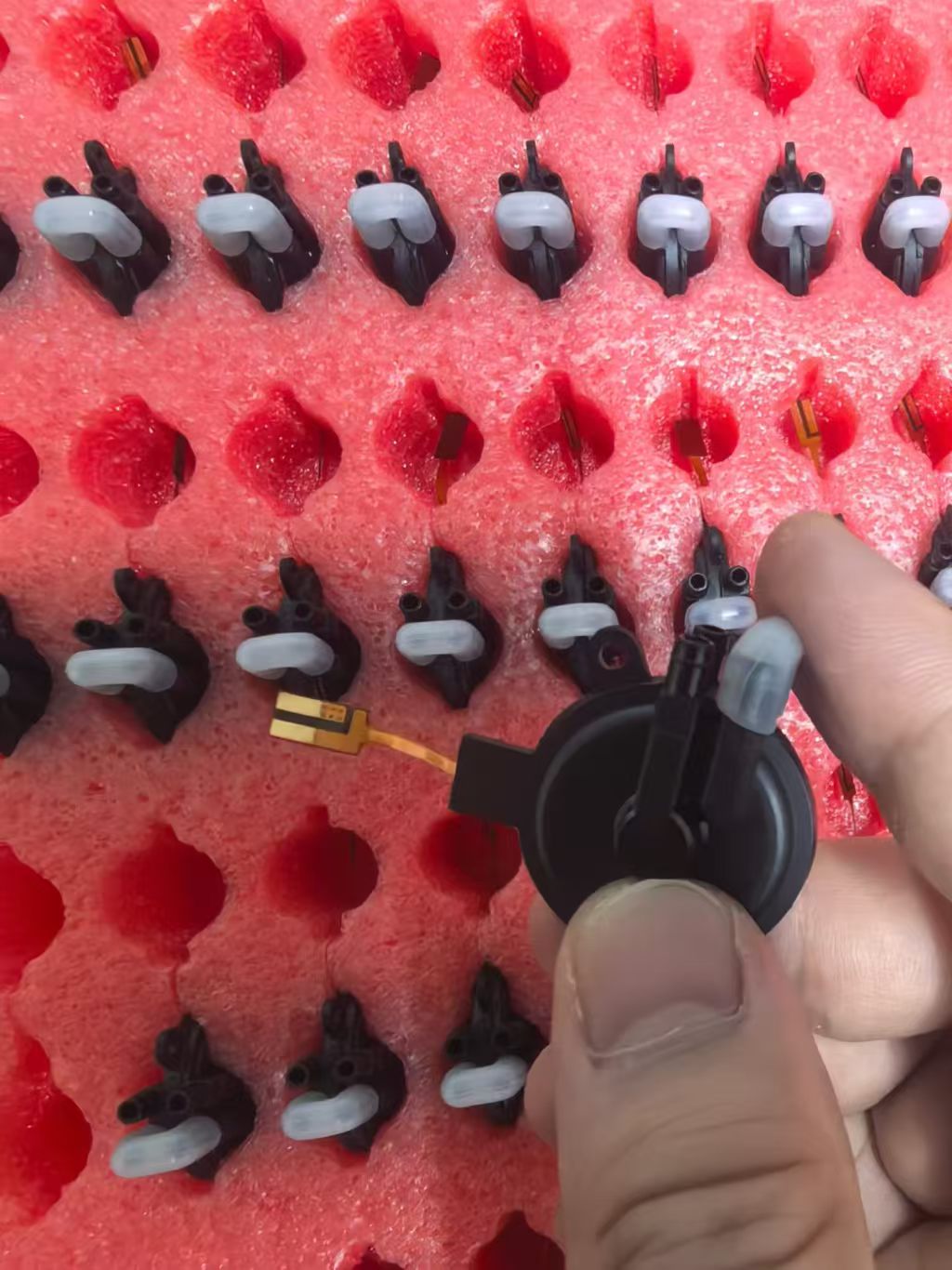
The Real Timeline from Concept to Shelf: The Months Nobody Puts on Your Pitch Deck
Most hardware founders build a timeline with a prototype at one end and a ship date at the other — and forget the middle six months. Here's what actually fills that gap, the three delays that blow...
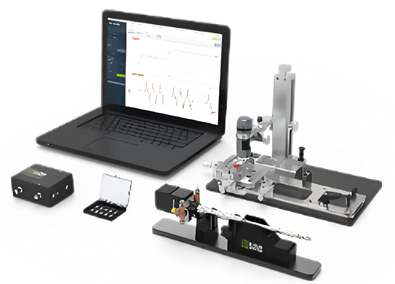
It Passed Every Test. Then the Factory Said No: The Hidden Gap Between a Prototype and a Product
A beautiful, fully-tested prototype is not a manufacturable product. SciPure breaks down the hidden gap between 'works once' and 'works 20,000 times' — the five ways prototypes lie, what Apple's su...
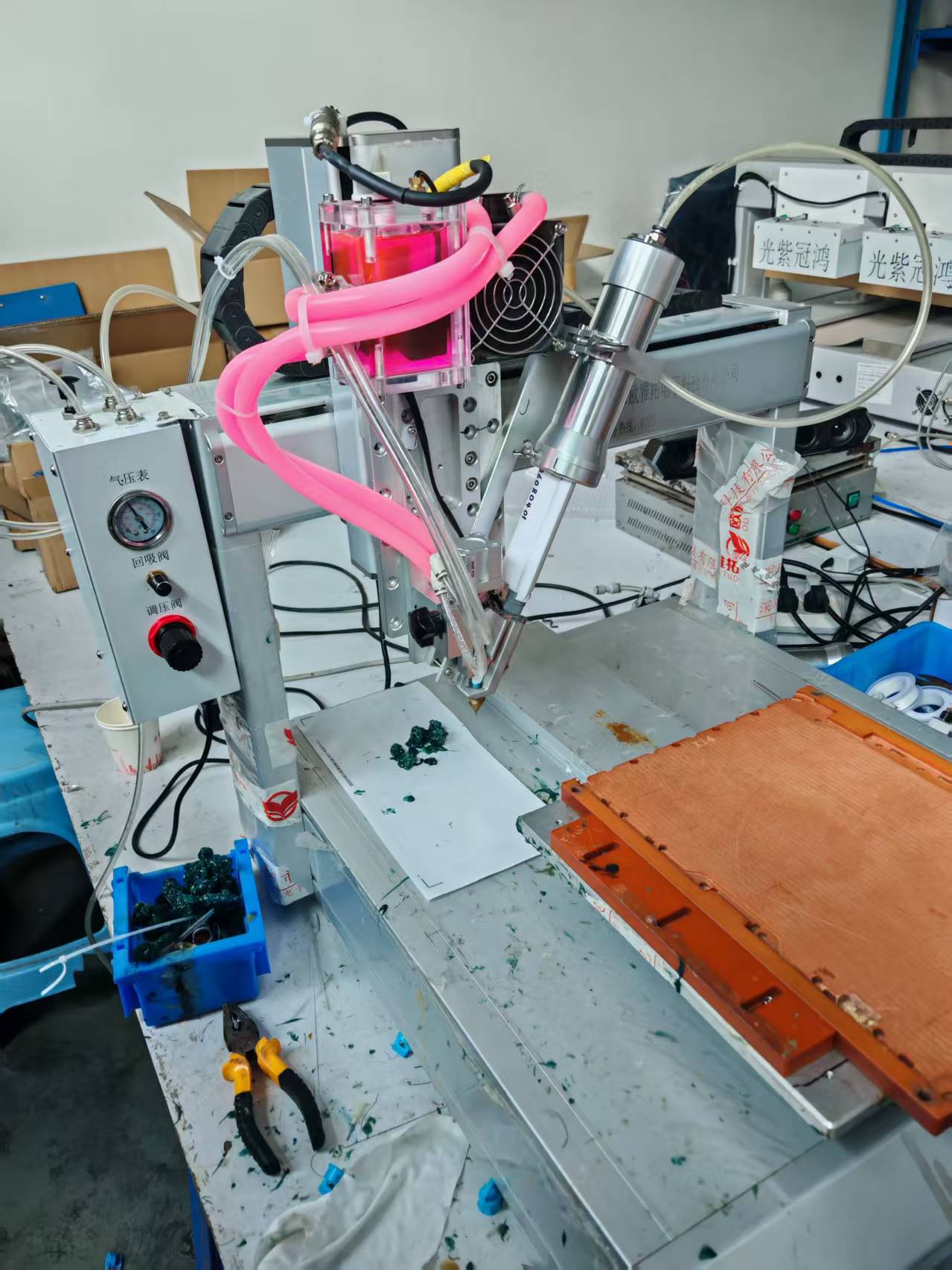
Quality Control That Actually Works: Why Your Factory Visit Didn't Catch the Defect That Just Killed Your Amazon Listing (And What to Do Instead)
Most hardware founders think a factory visit and golden sample approval means their quality is locked in. It isn't. Here's why 73% of production defects origina...
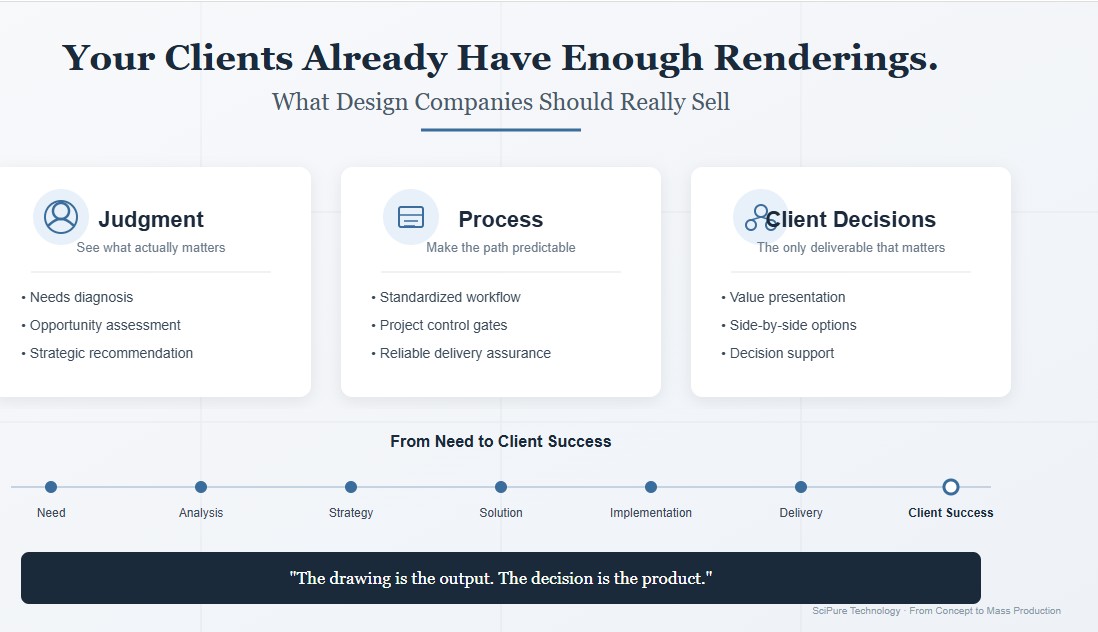
Your Clients Already Have Enough Renderings. What They Need Is a Partner Who Helps Them Decide.
The most successful design partners don't sell drawings. They sell judgment, process, and client decisions. Learn the three layers of real value.
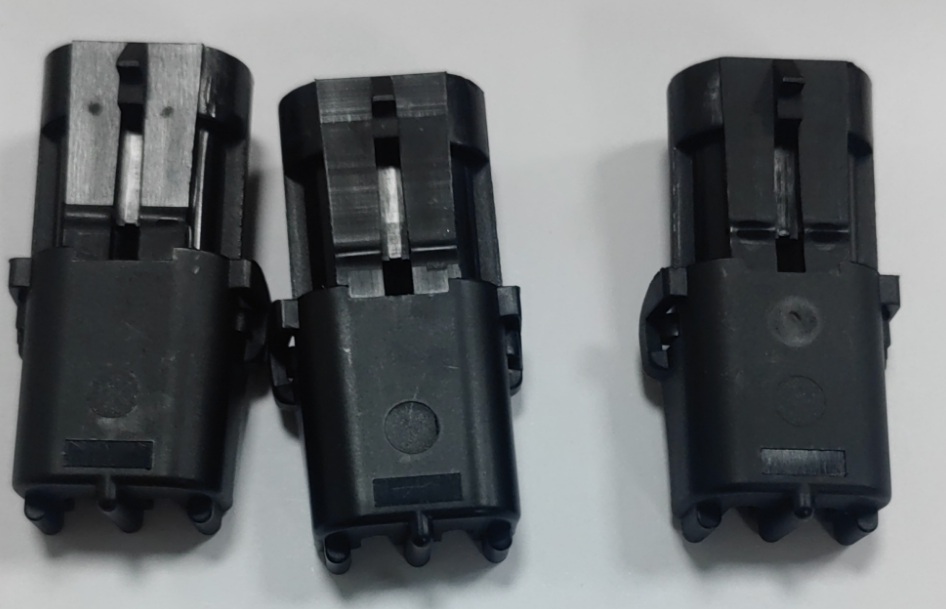
From DFM Report to First Production Run: The Month-by-Month Playbook Nobody Gives You
Why 73% of teams get stuck in Month 3. The Resolution Matrix, T0 cost reality, and the execution framework that ships products.
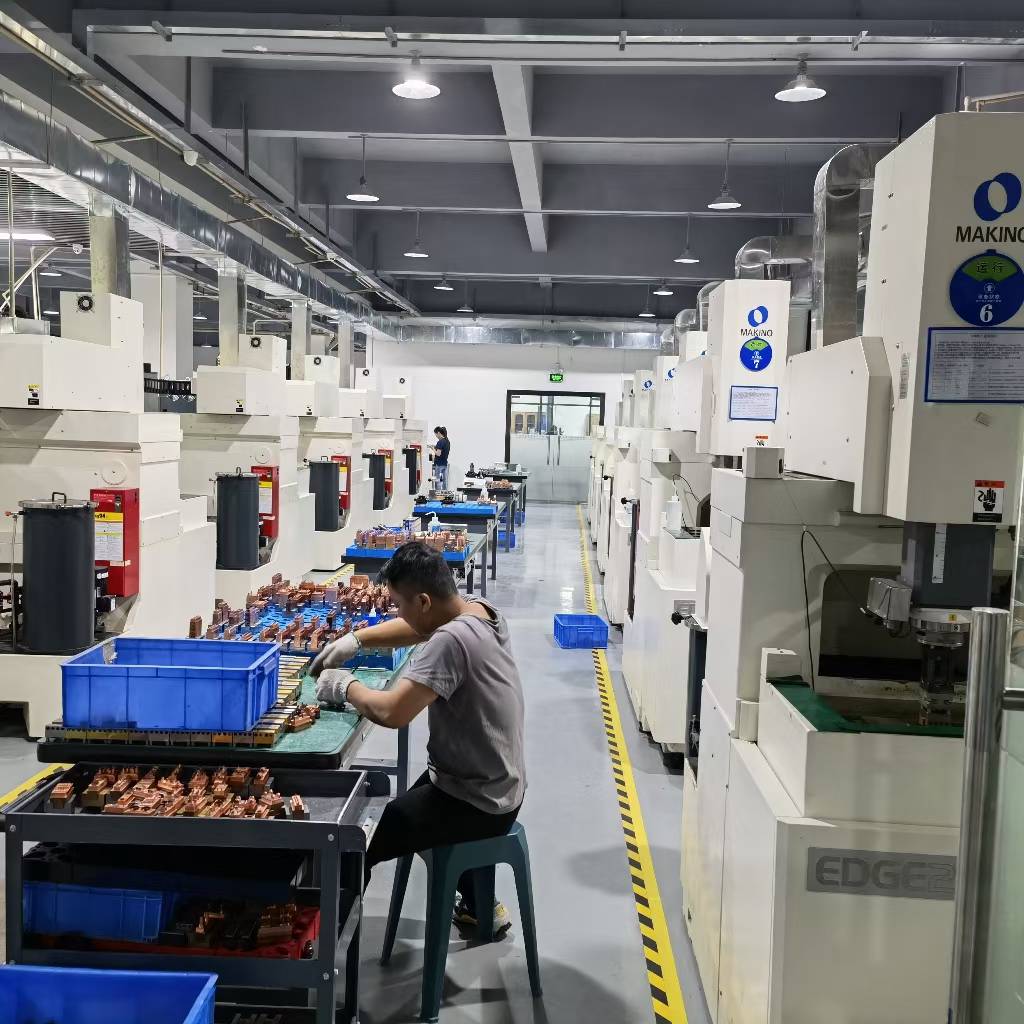
From DFM Report to First Production Run: The 16-Week Execution Gap That Sinks Most Hardware Startups
Why 73% of DFM reports contain unresolved risks. A month-by-month framework from DFM sign-off to shipping, drawn from 127 real projects.
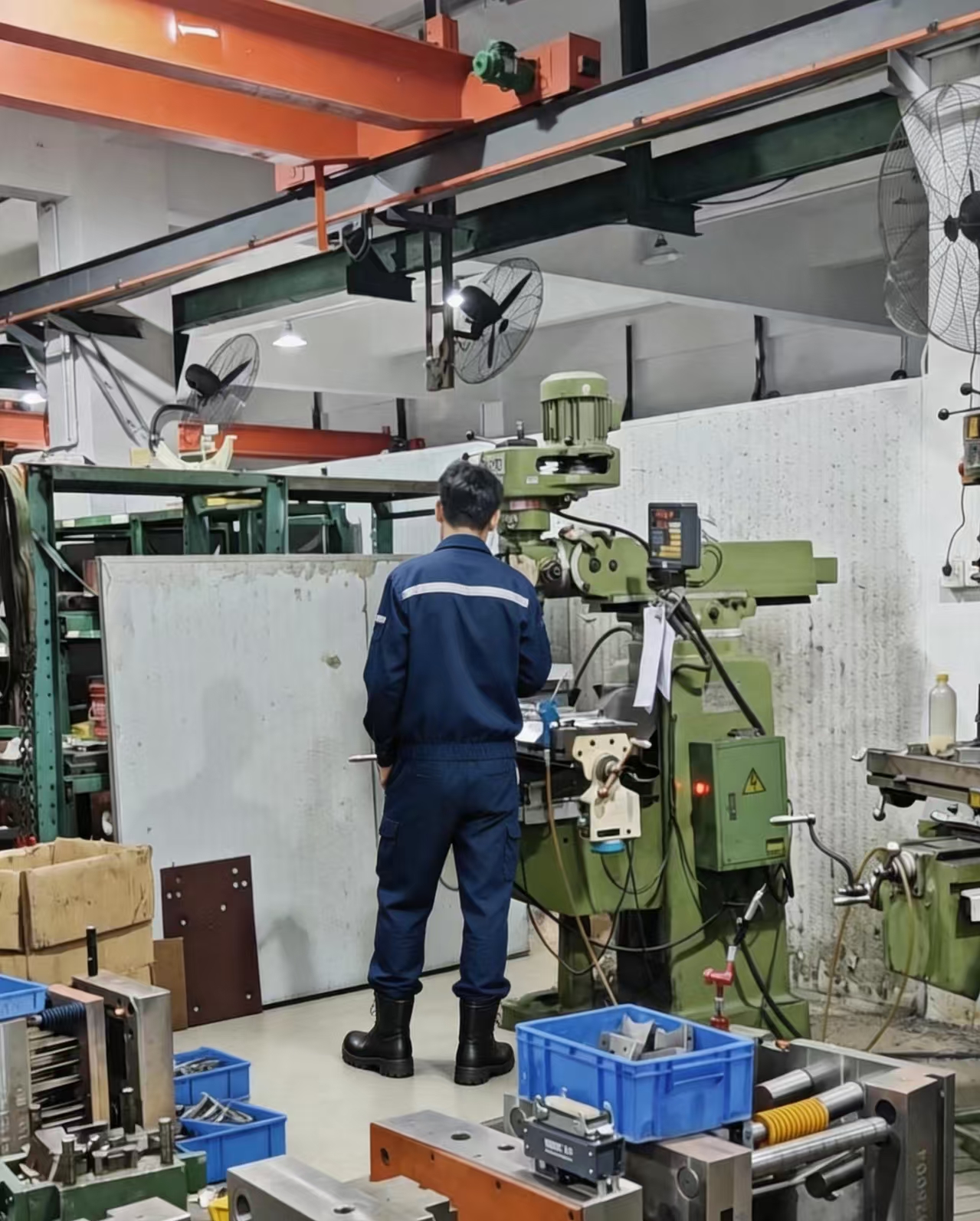
Supply Chain Anxiety: How to Vet a Chinese Manufacturing Partner Without Flying There — The $340,000 Lesson
Why 68% of B2B "factories" are actually trading companies, the three-layer remote vetting protocol, and how 2026 tariff rules changed everything.
The Real Timeline from Concept to Shelf: What Nobody Tells You About Hardware Development
Why 41% of founders compress timelines by 40%+. Realistic dev phases, hidden delay costs, and a backward-planning framework that works.
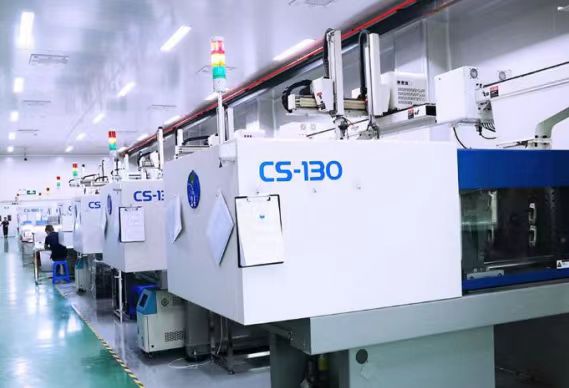
Your Prototype Is Lying to You: Why 73% of Hardware Projects Hide Fatal Flaws Until Tooling Begins
Real data from 127 projects: why your 3D-printed demo isn't production-ready, the four-step prevention framework.
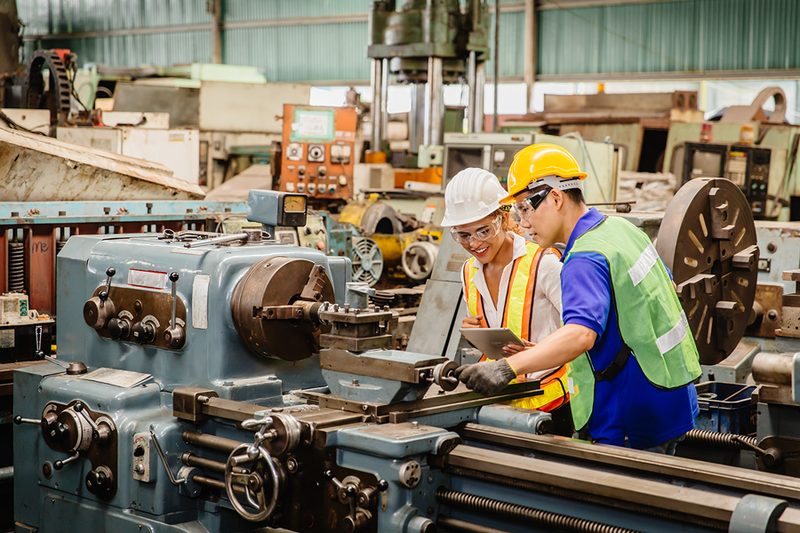
Quality Control That Actually Works: Beyond the Factory Visit — Why the "Golden Sample" Trap Costs Millions
Why 68% of B2B "factories" are traders, how AI inspection catches 40% more defects, and the three-layer QC architecture.
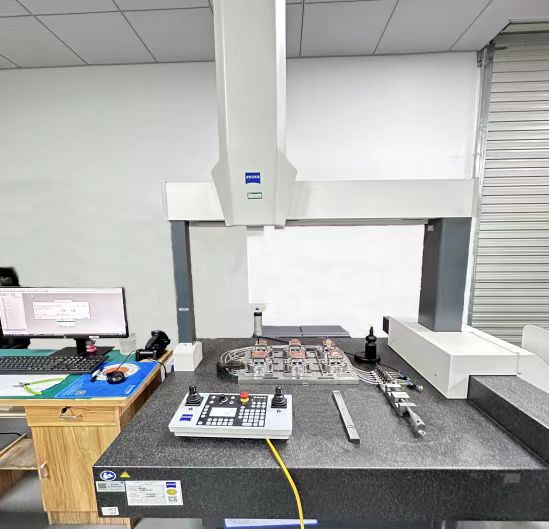
The $200K Mistake: When "Good Enough" Design Meets Mass Production
A "good enough" prototype burned through $200K in tooling rework. Learn the prototype fallacy and the design-readiness test.
The $47,000 Lesson: Why Quality Control in Manufacturing Is Not What You Think It Is
A hardware founder's near-disaster reveals why QC goes far beyond final inspections. The three-stage framework and AI-driven defect detection.
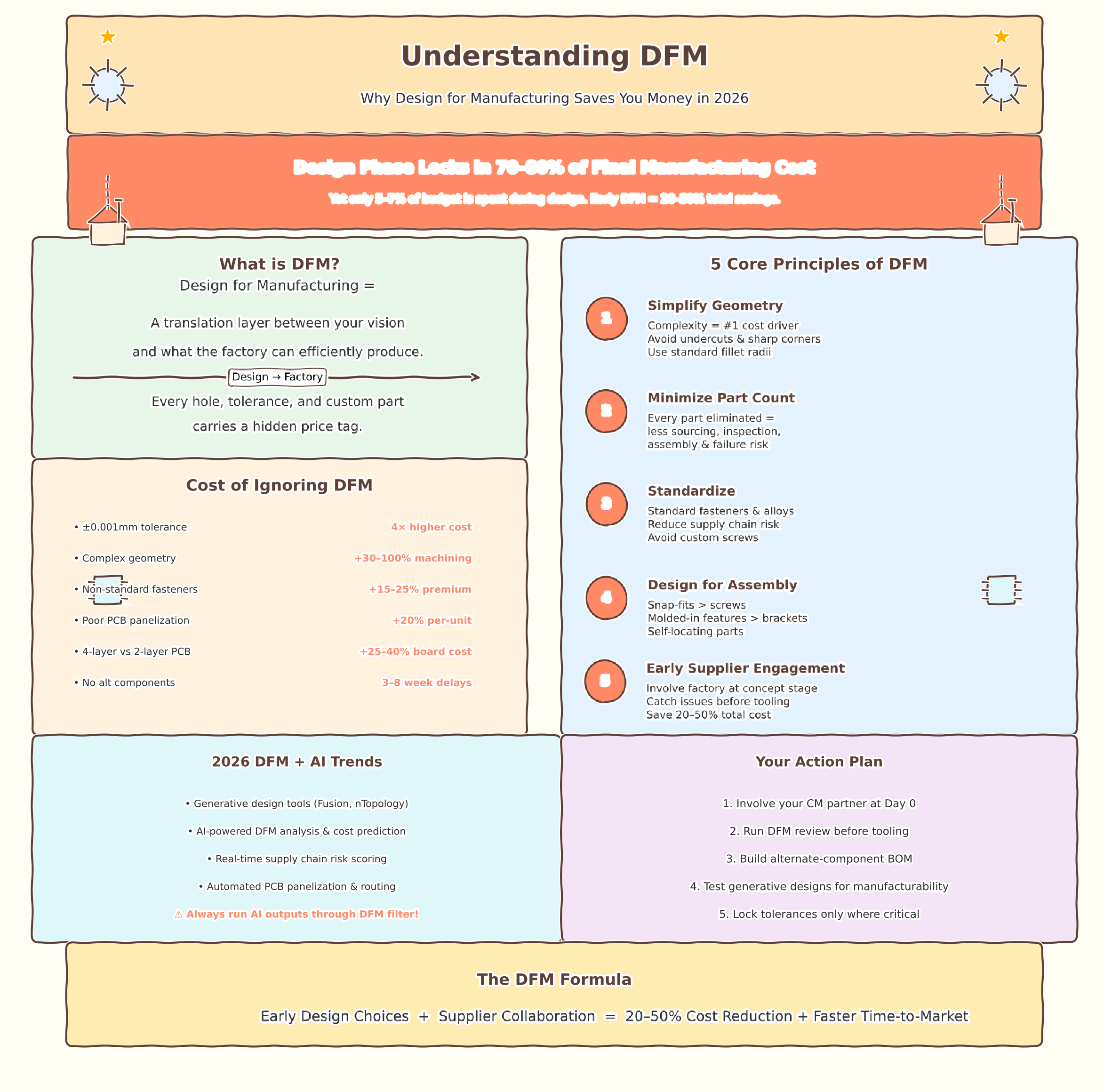
Understanding DFM: Why Design for Manufacturing Saves You Money in 2026
5 core DFM principles, real factory-floor cost data, and how early DFM engagement saves 20-50% on production costs.
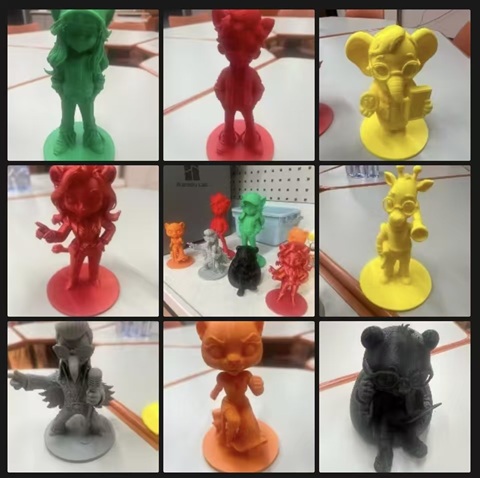
Injection Molding vs. 3D Printing: Which Manufacturing Process Is Right for Your Product in 2026?
Cost break-even analysis, AI manufacturing trends, and hybrid workflows for product development.
From Prototype to Mass Production: How Long It Takes and What It Really Costs
A data-driven breakdown of every stage — from your first prototype to your first container — with real timelines and 2026 cost ranges.
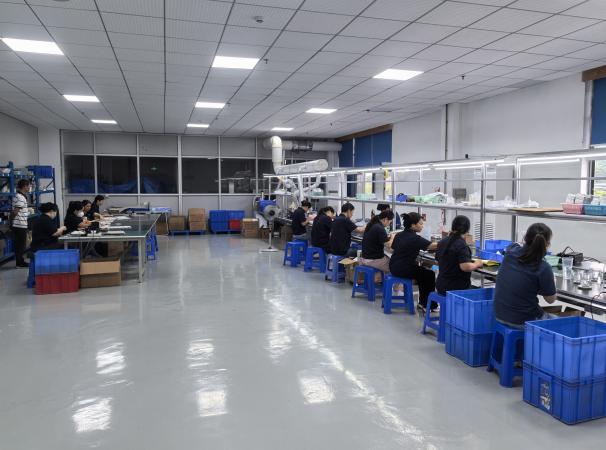
How to Choose a Manufacturing Partner in China: A Complete Guide for 2026
Everything you need to know before signing a manufacturing agreement with a Chinese ODM/OEM partner.
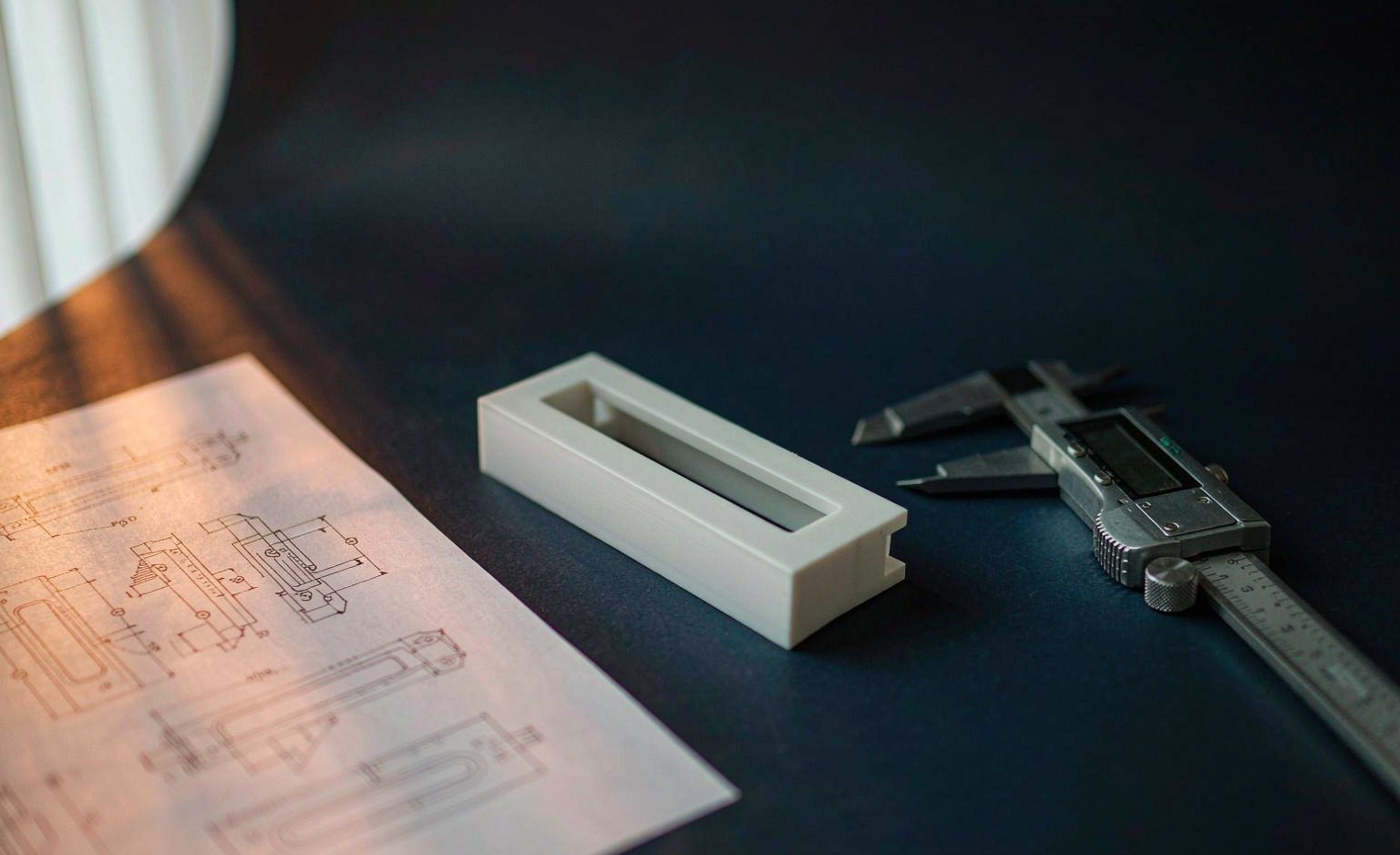
Twelve Questions to Answer Before You Freeze the Spec
Most teams freeze the drawing. Almost none freeze the part numbers, thermal paths, and volume assumptions the drawing depends on.
Build the Cost Model Before You Ask for a Quote
A should-cost model is a bottom-up estimate of what your product ought to cost to build, assembled before you ever see a supplier's price. SciPure walks through the four cost buckets, component benchmarking without a purchasing team, and the sensitivity layer where real decisions get made.
Your NDA Is Not Protecting Your Design
A standard Western NDA rarely holds up in a Chinese factory, and under Chinese law mold ownership defaults to whoever designed the mold — not whoever paid for it. SciPure lays out the three-layer IP system that actually works: NNN agreements, CNIPA registration before you share files, and operational controls.
90-Day Hardware Launch in 2026: What Actually Fits, What Never Will (And the 4 Weeks Nobody Budgets)
A 90-day hardware launch is possible in 2026 — but not for the reason most founders think. SciPure breaks down what actually fits in 90 days, the four weeks (certification, battery compliance, freight, retail packaging) that never appear on a supplier's Gantt chart, and a reverse schedule written from the delivery dock.