One of the most common questions we hear from hardware startups: "How long will it take, and how much will it cost?" The honest answer is: it depends. But there are industry benchmarks that can help you plan realistically.
This guide breaks down every stage of the product development journey — from your first prototype to your first container of finished goods — with real timelines and cost ranges based on 2026 manufacturing data.
Bottom line first: For a moderately complex consumer electronics product, expect 3–5 months from first prototype to mass production, with total investment ranging from $8,000 to $35,000 depending on product complexity, tooling requirements, and volume.
Phase 1: Concept → Design (2–4 Weeks)
This is where your idea becomes a manufacturable design. The key outputs are:
- 3D CAD models and engineering drawings
- Bill of materials (BOM)
- Design for Manufacturing (DFM) analysis
Typical cost: $2,000–$5,000 for a simple consumer product. Complex electronics with custom PCBs can range $5,000–$15,000.
Key insight: The DFM review at this stage is critical. Catching design issues here — before tooling begins — typically saves 3–10x the cost of fixing them later.
Phase 2: Prototyping (2–3 Weeks)
Before you invest in tooling, you need to validate your design. Modern prototyping options include:
- 3D printing (SLA/SLS): Best for form/fit/function testing. Turnaround: 3–7 days. Cost: $200–$800 per part.
- CNC machining: Best for functional prototypes in production-intent materials. Turnaround: 5–10 days. Cost: $500–$2,000 per part.
- Silicone molding (urethane casting): Best for small batches (10–50 units) in production-like materials. Turnaround: 7–14 days. Cost: $300–$1,500 per batch.
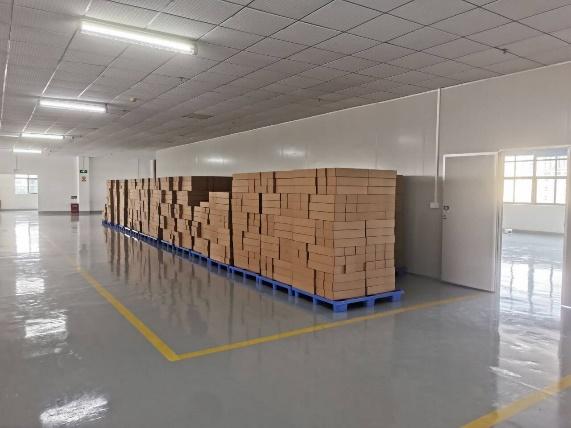
Our CNC machining workshop — precision prototyping in production-intent materials
Phase 3: Tooling (4–8 Weeks)
This is typically the longest phase. Here's what to expect by manufacturing method:
| Method | Lead Time | Tooling Cost | Best For |
|---|---|---|---|
| Plastic injection molding | 4–6 weeks | $3,000–$15,000 | High-volume plastic parts |
| Die-casting (aluminum/zinc) | 6–8 weeks | $5,000–$20,000 | Metal enclosures, heatsinks |
| Metal stamping | 4–5 weeks | $2,000–$8,000 | Sheet metal components |
| Soft tooling (protomolds) | 2–3 weeks | $500–$3,000 | Low-volume validation runs |
Pro tip: For your first production run, consider "soft tooling" (aluminum molds) rather than hardened steel. They cost 30–50% less and can produce 5,000–20,000 units — enough to validate market demand before investing in full production tooling.
Phase 4: Pilot Production (2–3 Weeks)
Also called "First Article Inspection" (FAI) or "Engineering Pilot Run," this phase typically produces 50–500 units. Its purpose:
- Validate the manufacturing process at production scale
- Confirm quality standards and tolerances
- Test packaging and logistics workflows
Cost: Per-unit production cost + setup fees. Budget an additional $500–$2,000 for this phase.
Phase 5: Mass Production (Ongoing)
Once the pilot is approved, production scales up. Lead times depend on order size:
- 500–2,000 units: 2–3 weeks
- 2,000–10,000 units: 3–5 weeks
- 10,000+ units (container load): 4–6 weeks
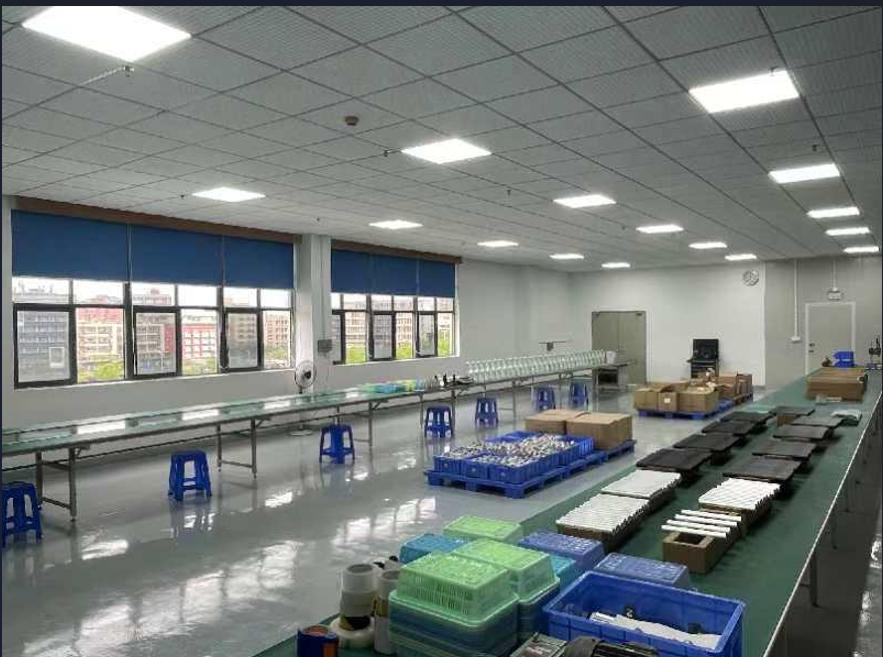
Automated production line — scaling from hundreds to thousands with consistent quality
Cost Breakdown Summary: A Real Example
Here's what a typical consumer electronics product (a wireless device with plastic enclosure, PCB, and packaging) might cost:
| Phase | Time | Cost (USD) |
|---|---|---|
| Design & Engineering | 2–4 weeks | $3,000–$8,000 |
| Prototyping (2 iterations) | 2–3 weeks | $1,000–$3,000 |
| Injection Mold Tooling | 4–6 weeks | $5,000–$12,000 |
| Pilot Run (200 units) | 2 weeks | $2,000–$4,000 |
| Total to First Production | 3–5 months | $11,000–$27,000 |
Factors That Accelerate (or Delay) Your Timeline
Accelerators
- Clear, complete specifications from day one
- ODM partnership (leveraging existing platform technology)
- Parallel workstreams (design + sourcing + tooling prep simultaneously)
- Experienced manufacturing partner with strong project management
Delays
- Design changes after tooling starts — the #1 cause of delays and cost overruns
- Material availability issues — especially for specialty plastics or electronic components
- Quality iterations — multiple rounds of sampling to meet standards
- Communication gaps — slow response times or unclear requirements
Key Takeaways
- Plan for 3–5 months from concept to mass production for a typical consumer electronics product
- Budget $10,000–$30,000 in total development and tooling costs
- The DFM review and prototyping phases are your best insurance against costly mistakes later
- Soft tooling can reduce initial investment by 30–50% for market validation
- Rush projects can compress timelines to 8–10 weeks but cost 20–40% more
Every project is different. The best way to get an accurate timeline and cost estimate for your specific product is to talk to our team. We typically respond within 48 hours with a detailed assessment.
Last updated: June 12, 2026 | Cost figures based on 2026 market rates for Shenzhen-based manufacturing. Actual costs vary by product complexity, material selection, and volume.
Comments (3)
The soft tooling tip saved us $4,000 on our first run. We went with aluminum molds for 8,000 units, validated the market, then upgraded to steel for the second order. Exactly the right approach for a startup with limited capital.
Wish I had read this before our first project. We changed the design twice after tooling started and ended up paying nearly double. The "design changes after tooling" warning is real — we lived it.
Great breakdown. The cost table for different manufacturing methods is exactly what I needed to present to our board. Question: do these timelines include shipping from China to Europe, or is that additional?
Leave a Comment